So, you've got two days and you want to see Catania, Sicily, without running around like a madman. Good news: this city is brilliant precisely because it's compact. You can walk almost the entire old town, and in a well organised weekend you'll take home the baroque, the fish market, the granita, Etna watching you from every corner and a proper plate of pasta alla Norma.
I'm writing this itinerary as a true Catanese, the kind who tells you where to go and, above all, at what time, because here the timing makes the difference between a top day and one spent in a queue. I run a loft in the old town and I always give my guests these tips, so keep your phone handy and jot down the times.
Two days are enough to fall in love. You won't see everything (for that you'll need a long 3 day weekend), but you'll see the best of it. Let's go.
Day 1 morning: what is the baroque heart of the city?
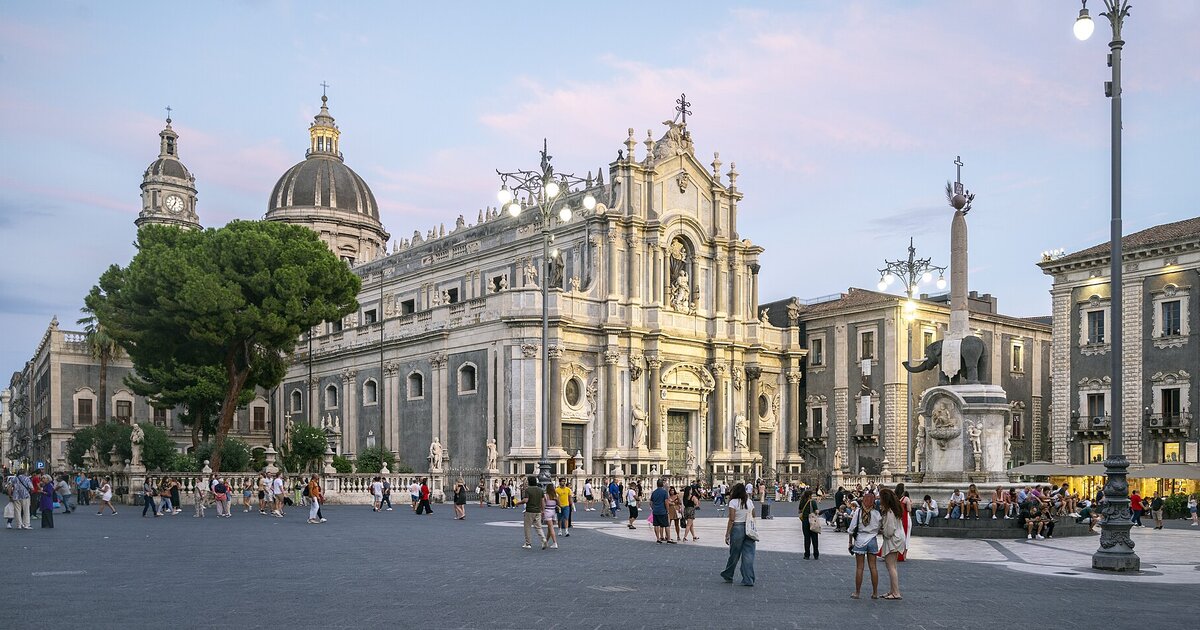
The short answer is this: Piazza del Duomo. It's the ground zero of Catania, the spot where you arrive and immediately understand where you are. In the centre there's the Fontana dell'Elefante, the lava stone elephant we call "u Liotru", which is the symbol of the city. We all take a photo with it, it's the unwritten rule.
Overlooking the square is the Cattedrale di Sant'Agata, dedicated to our patron saint. Entry is free, so go in: inside lie the remains of the Saint and a baroque facade that is a real treat. From there you climb up towards Via dei Crociferi, the street of churches, considered one of the most beautiful baroque stretches in Italy. In two hundred metres you have four churches in a row, all UNESCO heritage. Walk slowly and look up.
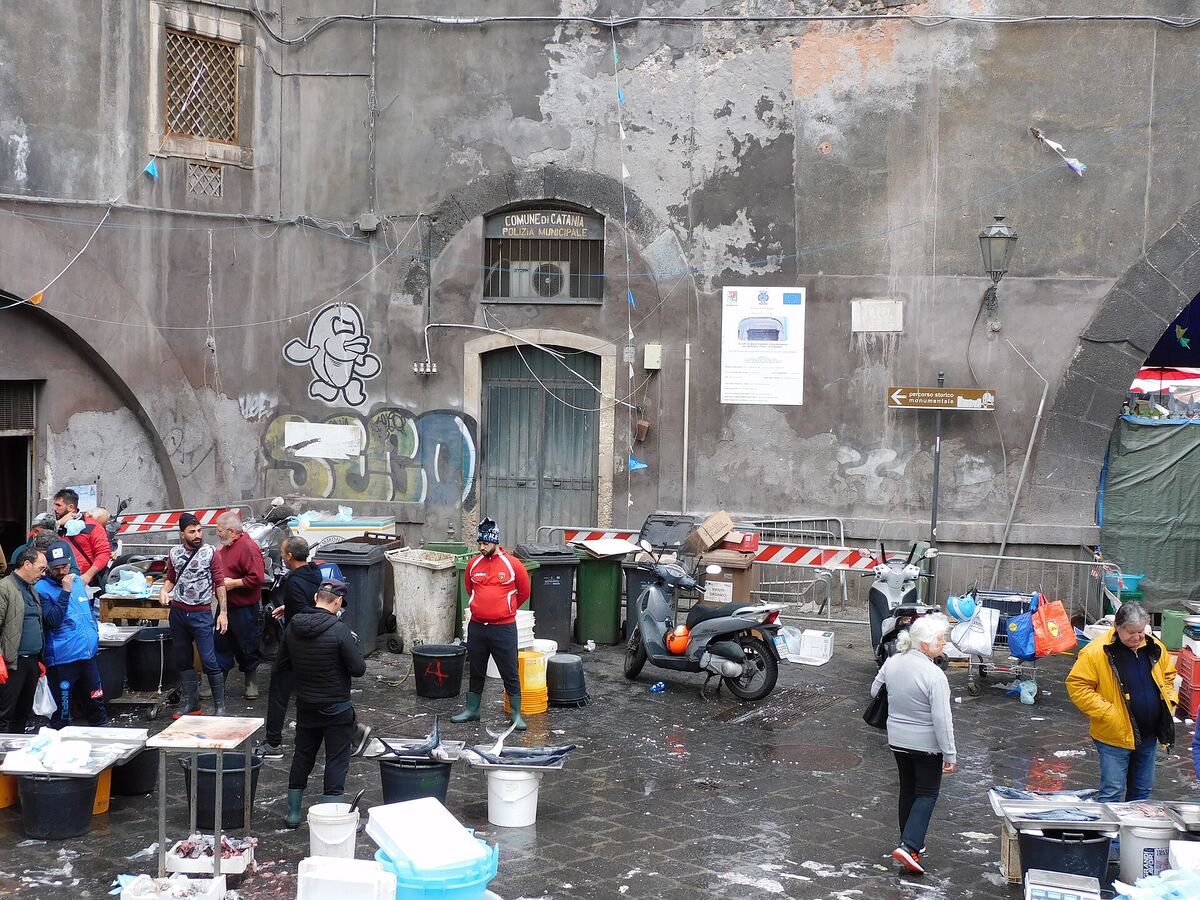
Then go down to la Pescheria, the fish market behind the Duomo. This is the real show of Catania: fishmongers shouting, octopuses still moving, stalls full of prawns and swordfish. It opens early and runs until about 1 pm (roughly 7 am to 1 pm, closed on Sundays). It's free, it's alive, it's the real city.

Fabio's tip
Golden rule: get to the fish market by 9 in the morning. After that the best fish has already been sold to the restaurateurs and to the Catanesi who wake up early, and you risk finding the stalls half empty and less of a scene. Early on you'll find everything: the chaos, the smells, the colours. Go hungry and have breakfast afterwards.
For lunch, stop at a trattoria in the area. With 12 to 18 euros per person you'll eat a seafood pasta or a proper fried fish. Look for the places packed with locals, not the ones with the menu translated into five languages.
Day 1 afternoon: what to see on Via Etnea?
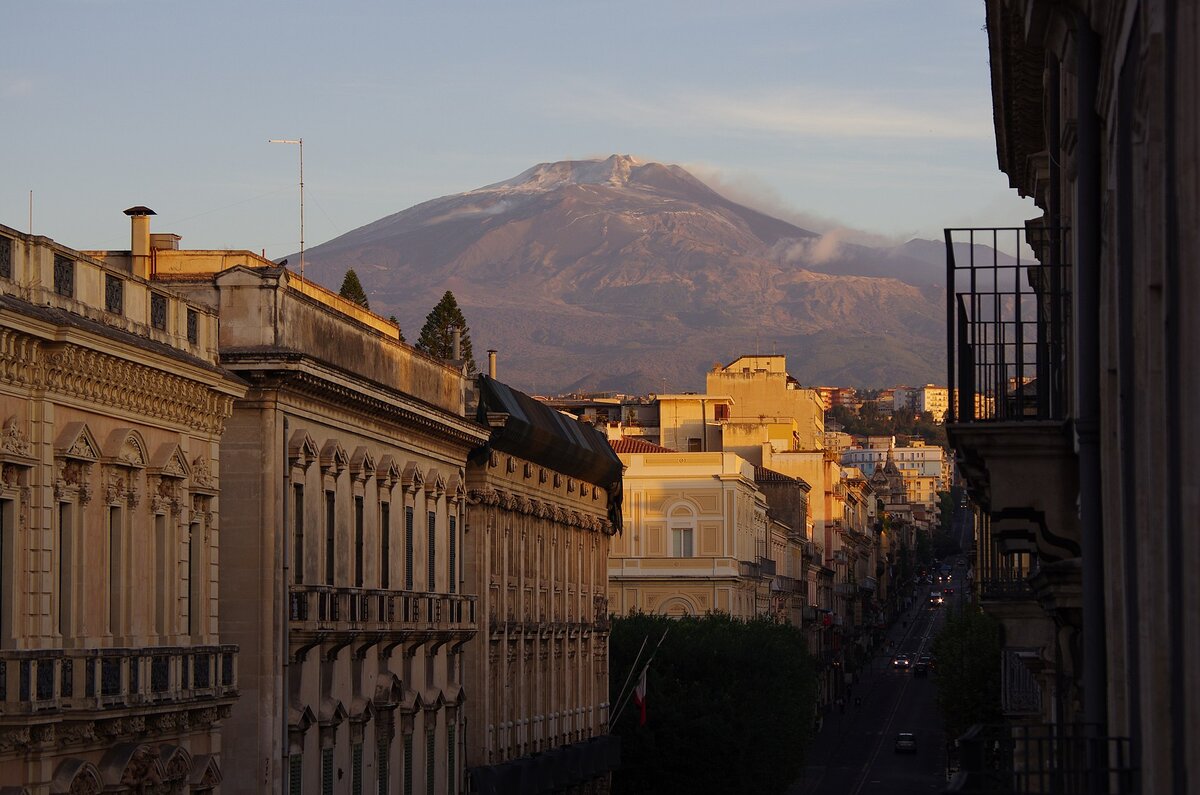
Basically: Via Etnea is the main avenue, long and straight, and it's called that because at the end of it you can see Etna smoking. It's the stroll par excellence, full of shops, historic cafes and grand buildings. Walk north up to the Villa Bellini, the most beautiful public garden in the city, perfect for a ten minute break in the shade of the giant ficus trees.
In the afternoon pop over to Castello Ursino, the 13th century Frederician fortress that today houses the civic museum. The ticket costs 6 euros and it's usually open 9 am to 7 pm (always check, the hours change in low season). The crazy thing is that the castle was once by the sea, and after the eruption of 1669 it found itself surrounded by land. The lava pushed the coastline hundreds of metres away.
Fabio's tip
Don't get ripped off on the aperitivo. On Via Etnea and in Piazza Duomo they'll charge you 9 to 10 euros for an Aperol. Move one street over towards the university area (Piazza Università, the inner side streets) or towards Piazza Federico di Svevia: there the same spritz costs you 4 to 5 euros and often comes with a platter too. The locals drink there, not in Piazza Duomo.
Day 1 evening: where do you eat and where does the nightlife start?
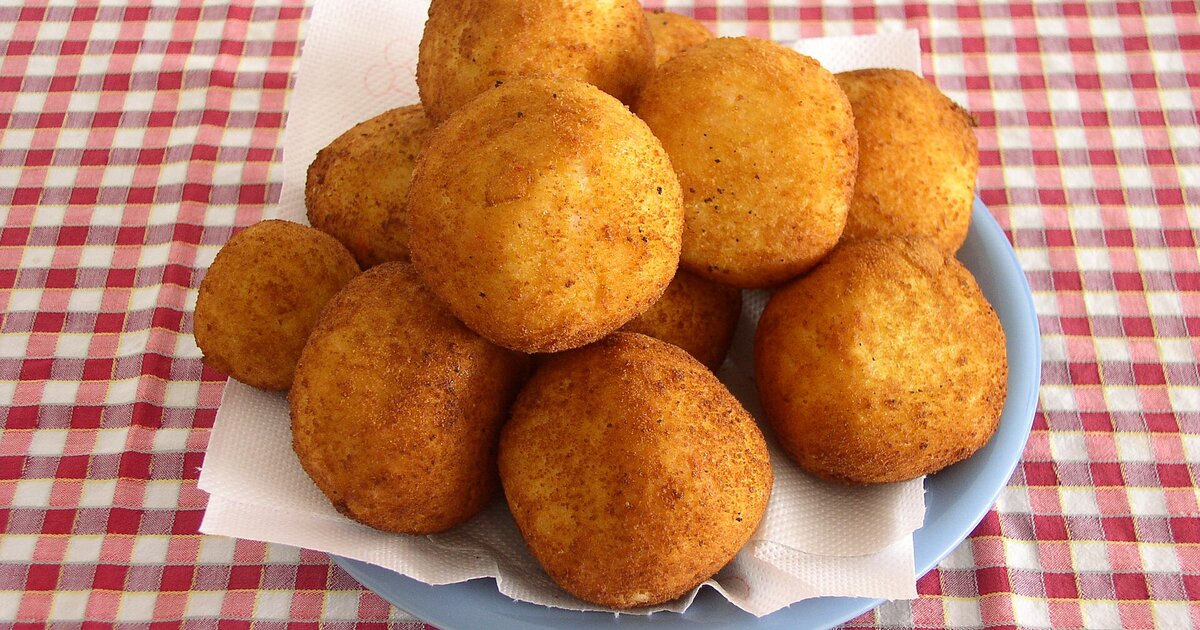
The evening is sacred. You have to try pasta alla Norma (tomato, fried aubergine, salted ricotta and basil), which is THE dish of Catania, named after Bellini's opera. Then, if you like fish, here it's incredibly fresh, and of course the arancino (masculine, mind you, in Catania it's arancino not arancina, it's a serious matter).
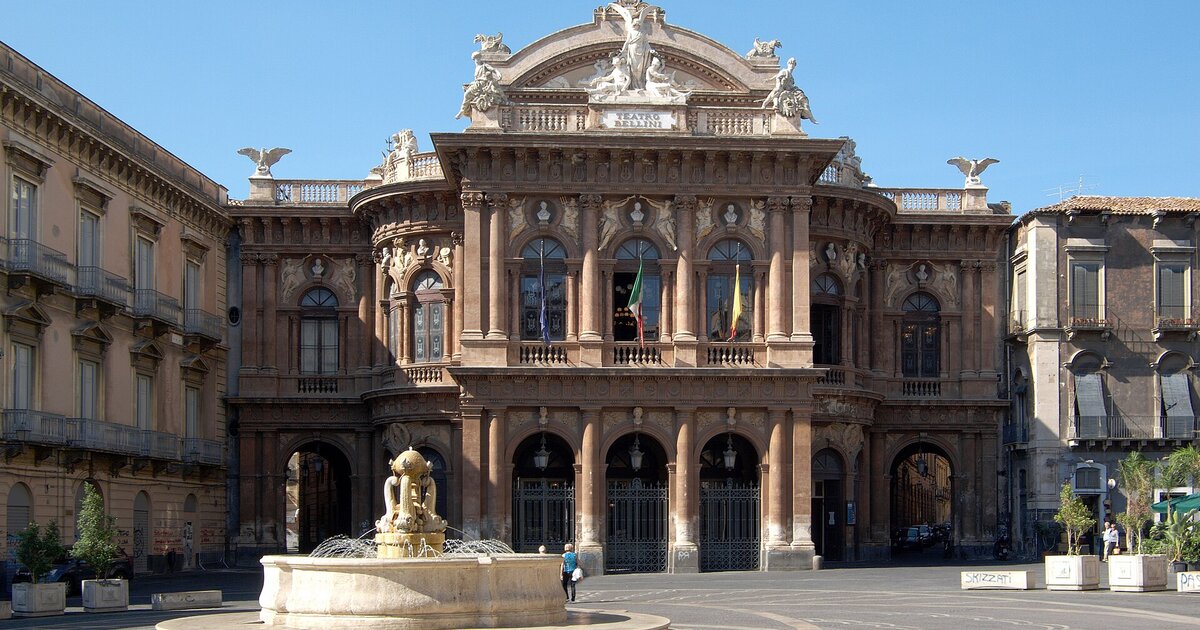
The right areas for dinner and after are two: around the Teatro Massimo Bellini, more elegant and quiet, and Piazza Federico di Svevia with the alleys near Castello Ursino, younger and rowdier. To go deeper into the dishes and the spots, I've written a dedicated guide on what to eat in Catania.
One thing you need to know: the Catania nightlife starts late. If you go out at 9 pm you'll find the venues empty and wonder where everyone is. People arrive after dinner, not before 11 pm, and the alleys fill up around midnight. So have dinner calmly, take your time, and then head out on the right schedule.
Day 2 morning: Etna, sea or monastery?
Here you have to choose, because in one morning you do one thing and do it well. I'll give you three concrete options.
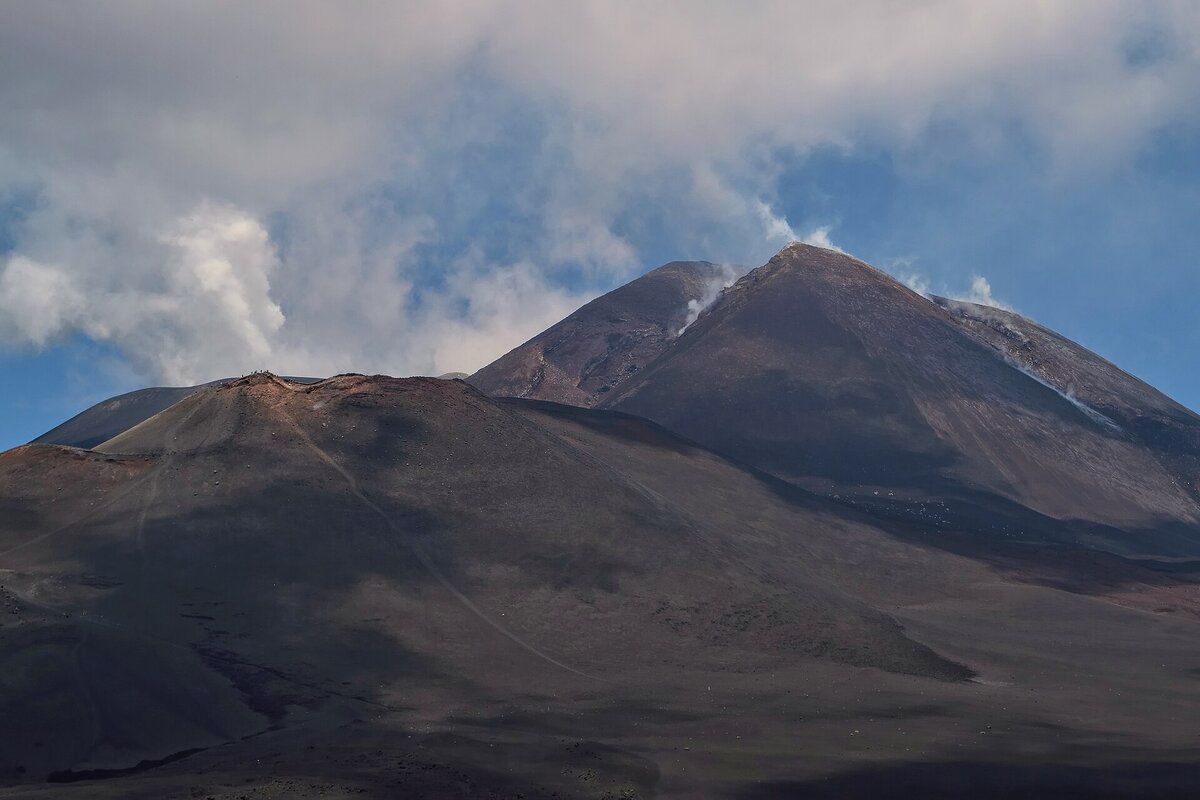
- Option A, Etna. There's the AST bus that leaves from Via Etnea (in front of the Stazione Centrale) around 8:15 and takes you to Rifugio Sapienza at 1900 metres. The return is around 13:30, and it costs about 5 euros each way. From up there you can hike to the Silvestri craters on foot or take the cable car for higher altitudes.
- Option B, the Riviera dei Ciclopi. The seaside villages of Aci Trezza (with the Faraglioni dei Ciclopi, the rocks hurled by Polyphemus in the Odyssey) and Aci Castello with its Norman castle on the lava cliff. They're 20 minutes by car or 40 minutes by bus from the centre.
- Option C, the Monastero dei Benedettini. One of the largest Benedictine complexes in Europe, today home to the university. The guided tour starts from 10 euros and lasts about an hour and a half. If it rains or it's too hot, it's the smart choice.
Fabio's tip
Etna or sea? Let me make it simple based on the season. In spring and autumn, choose Etna without a second thought: fresh air, crisp views and maybe even a bit of snow at the top. In high summer (July and August) Etna at midday will roast you and there's haze, so the sea at Aci Trezza is better, with a swim and fresh fish. In winter Etna is often snow covered and spectacular, but you need serious clothing and sometimes they close the road: check beforehand.
Day 2 afternoon: where to shop and have your last granita?
You head back to the centre and enjoy your last afternoon. Via Etnea in the afternoon is the right street for shopping: you'll find both the big chains and artisan workshops where you can pick up ceramics, miniature Caltagirone ceramics, almond sweets and bottles of Etna wine to take home.
But the real souvenir to eat is the granita with the brioche col tuppo. You have it for breakfast or as a snack, and you dip the brioche into the granita. The classic flavours are almond and pistachio from Bronte (the real one, a Slow Food presidium, grown on the slopes of Etna). The black mulberry flavour, dark and fantastic, you'll only find in summer when the mulberries are ripe, so if it's the season, don't miss it.
If you want to understand what you missed and what to add to a future visit, take a look at my complete guide on what to see in Catania.
Where should you stay in Catania for a weekend?
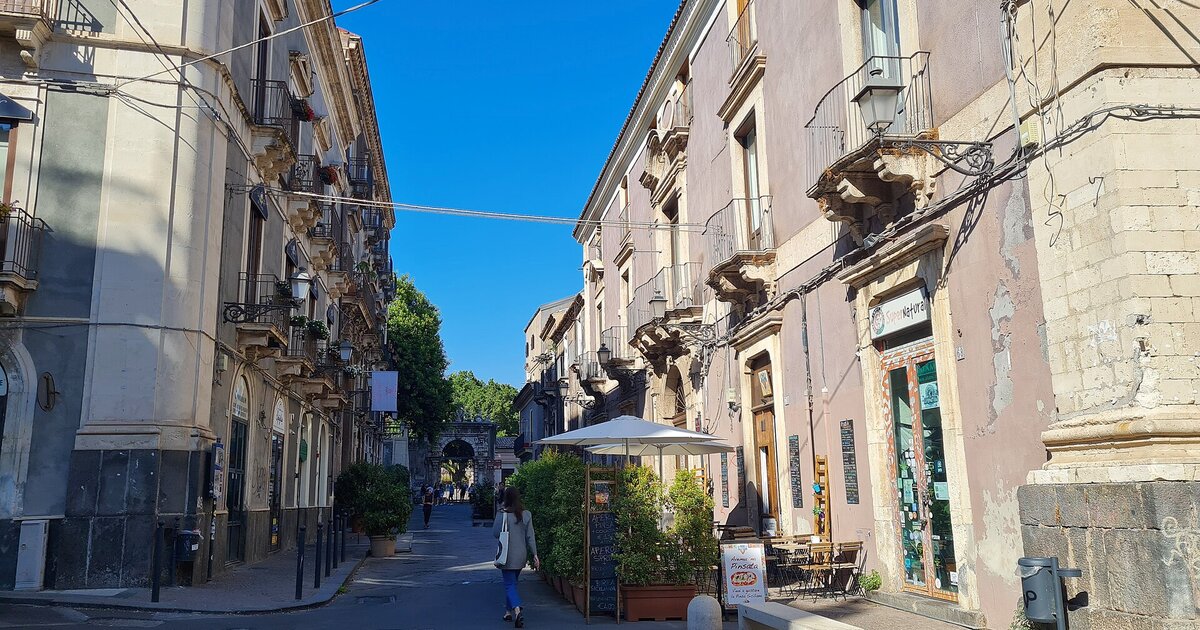
The short answer is this: in the old town, inside the pedestrian area. With only two days you can't afford to waste time getting around, and if you stay in the centre you have everything on foot: Piazza Duomo, the fish market, Via Etnea, dinner in the evening. Step out the door and you're already in the heart of the city.
I recommend an apartment rather than a hotel, for three concrete reasons. First, it costs less for the same location. Second, you have a kitchen, so in the morning you can have breakfast with the granita bought just downstairs, no rigid timetables. Third, you have more space and you live the city like a Catanese, not like a tourist queuing at reception.
My Lavika Loft is exactly this: in the old town, a few steps from Piazza Duomo and Via Etnea, with everything within walking distance. If you want to spend your two days walking and not in the car, check availability here and I'll organise the perfect weekend for you.