In Catania, Sicily, the sea is never far away. From the door of Lavika Loft, right in the heart of the old town, it takes just a few minutes to find yourself with your feet in the water. And that is the beauty of it: Catania's sea has two different souls that live side by side, just a few kilometres apart.
On one side there is the soft, golden sand of La Plaia, a long, low stretch of coast, perfect if you want an umbrella and a warm shower. On the other there is the black lava of the Riviera dei Ciclopi, with its dark rocks carved by Etna, crystal-clear water and that scent of ancient Sicily. Two ways of being by the sea, two landscapes that tell the story of the same city. In this guide I will take you to discover both, with times, costs and the tips I always give my guests.
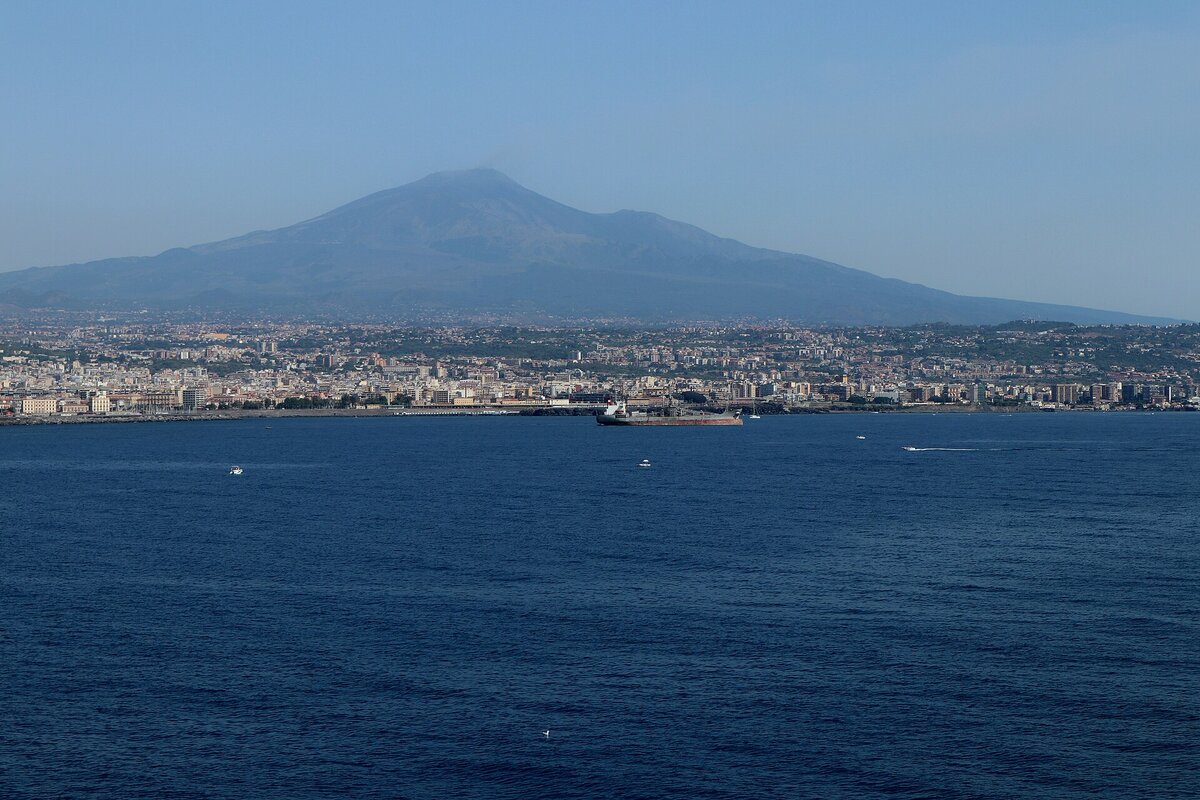
La Plaia in Catania: the city's sandy beach
The short answer is this: if you are after real sand, the kind that stays between your fingers, La Plaia is the most convenient beach in Catania and you can reach it from the centre in just a few minutes.
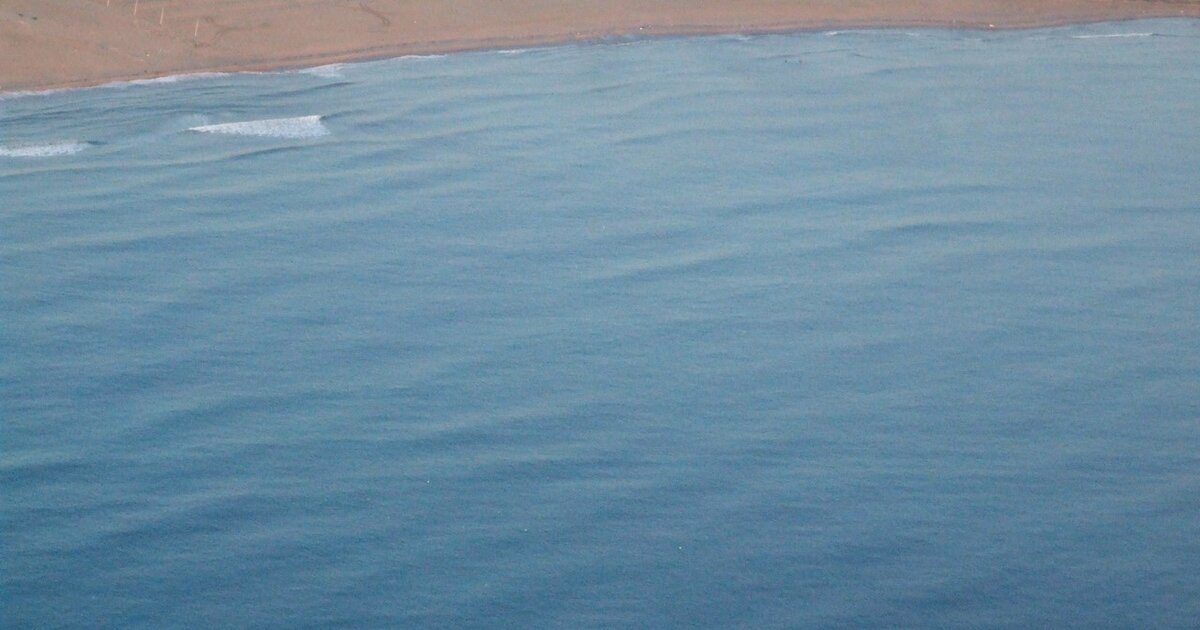
La Plaia is a long stretch of golden sand that starts from the port and runs south for about 18 kilometres, all the way to Vaccarizzo and beyond. It is the city beach par excellence, the one where the locals go for a swim as soon as work ends or at the weekend. The sand is fine and pale, and the seabed slopes gently: you can walk metres and metres and the water still only reaches your knees. That is why it is one of the favourite beaches for families with children, because you can keep an eye on them without worry.
Along La Plaia you will find a bit of everything. There are the beach clubs, with umbrellas, sun loungers, bars, showers and sometimes music and aperitivo at sunset. And there are wide stretches of free beach, where you bring your own towel and settle wherever you like without spending a euro. At many beach clubs an umbrella with two sun loungers costs around 15-25 euros a day, depending on the season and the spot.
You can reach it easily from the old town. By car it is about 10-15 minutes, though on summer weekends the traffic heading to the sea can stretch the journey. Without a car you can take the city buses that connect the port area and Piazza Borsellino with the La Plaia seafront: a city ticket costs about 1 euro and in just over a quarter of an hour you are on the beach.
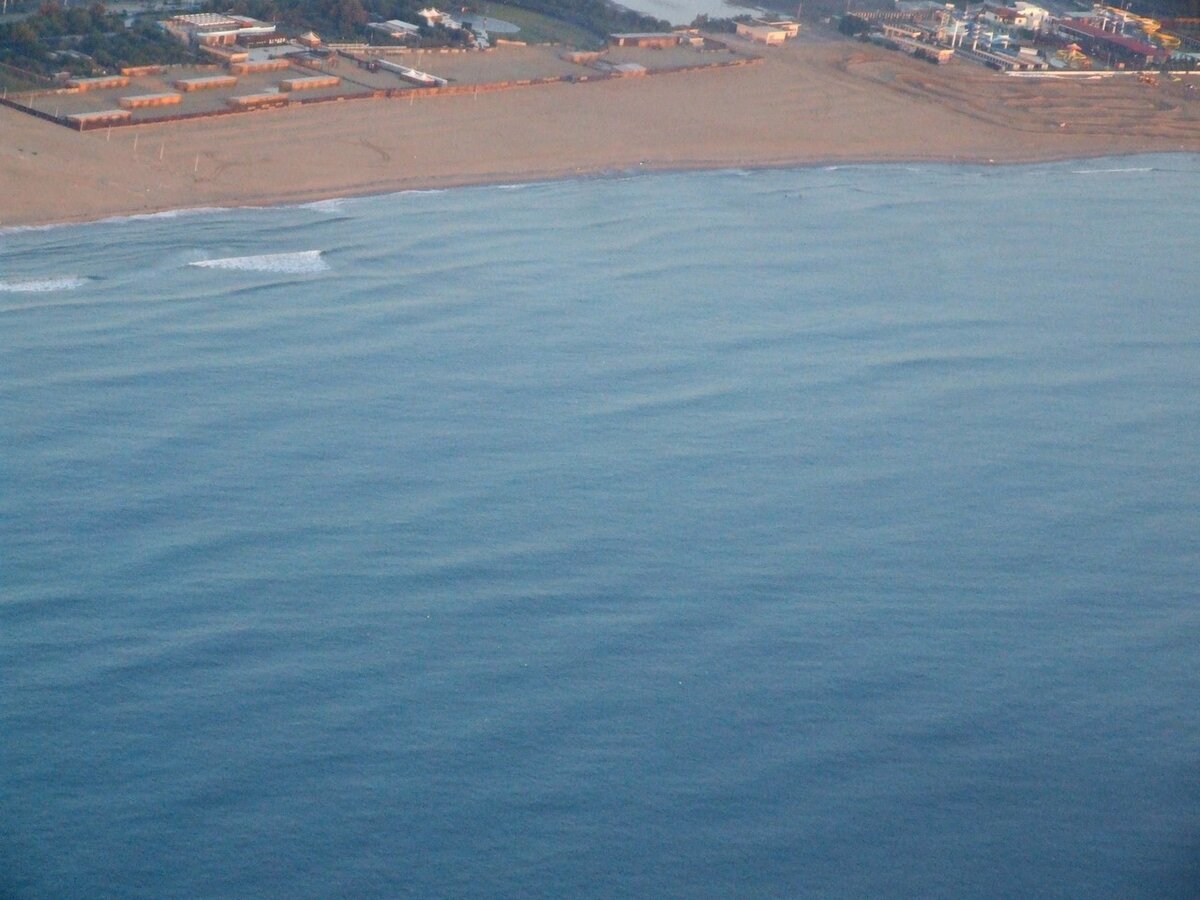

Fabio's tip
I will tell you as a local: on a summer Sunday the beach clubs at La Plaia really do fill up early. If you want a spot in the front row, go in the morning, around 9, or pick one of the free beach stretches further south, where there is more space and less crowd. In the late afternoon, when the sun starts to drop, the light on the sand becomes beautiful.
Aci Trezza and Aci Castello: the rock stacks and the black lava
The short answer is this: if you want a dramatic sea, made of black rocks and crystal-clear water, you need to head north, to Aci Castello and Aci Trezza, about ten kilometres from the centre.
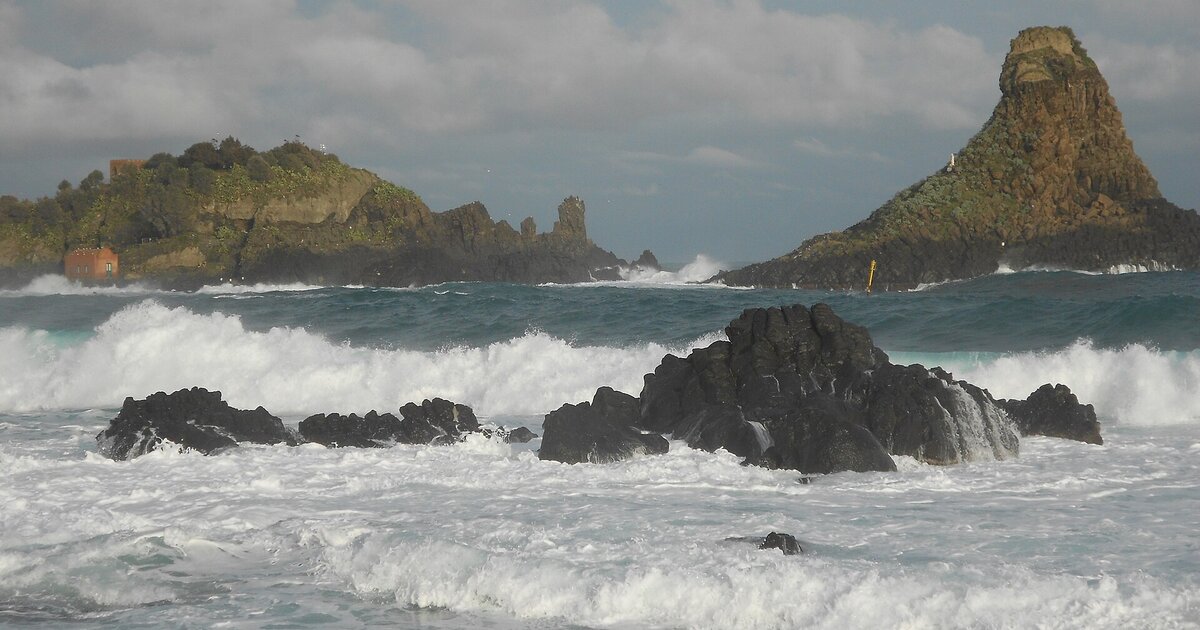
Here the landscape changes completely. No sand: the coast is black lava, solidified over the centuries into a thousand shapes by Etna. In front of the fishing village of Aci Trezza, the Faraglioni dei Ciclopi rise out of the water, great dark rock stacks tied to one of the most famous legends of the Mediterranean. The story goes that these were the very rocks that the giant Polyphemus, blinded by Ulysses, hurled at the hero's ship as he fled. Look at them at sunset and you understand why the myth was born right here.
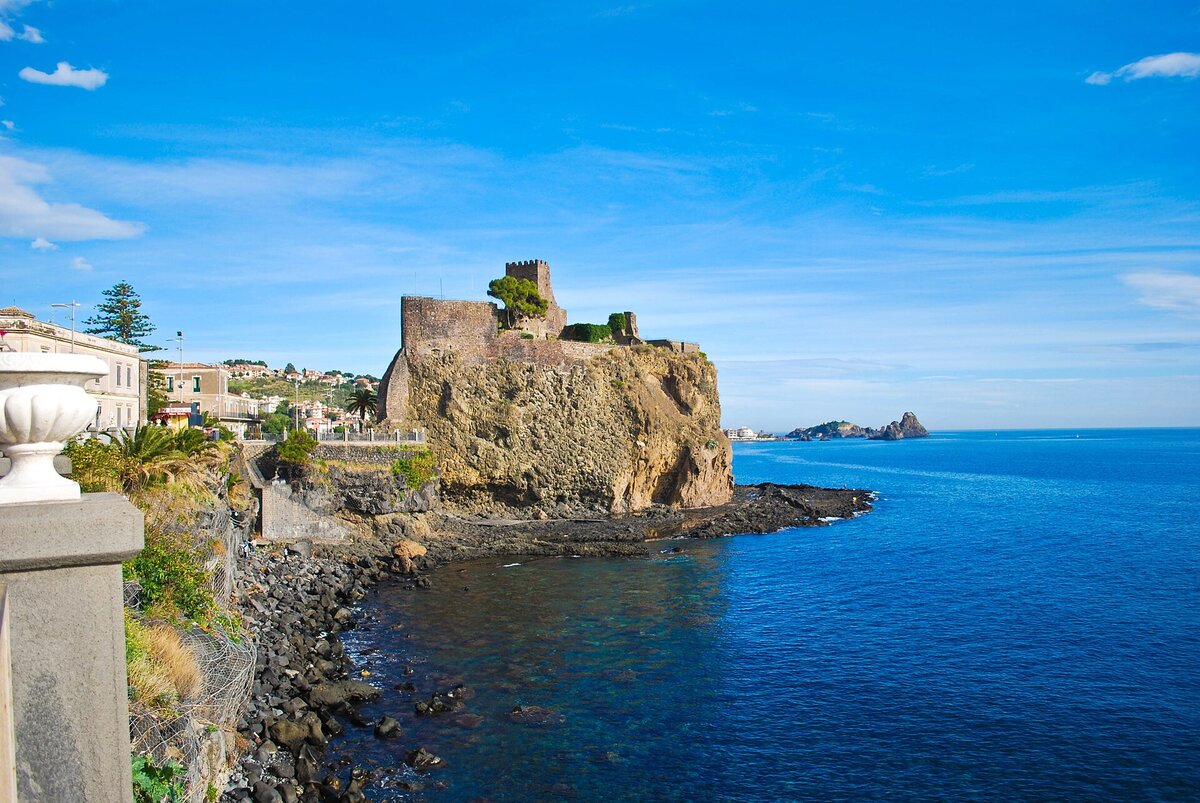
A few steps away is Aci Castello, with its Norman castle built on a spur of black lava overlooking the sea. It is one of the most photographed views in the area: the dark stone of the castle, the blue of the water and, on clear days, Etna in the background. Below the castle and along the rocks you will find several spots to lay down your towel and dive into water that is often cleaner and deeper than at La Plaia.
To get there without a car, take a bus from the coach station: there are fairly frequent services, roughly every 20 minutes at peak times, and the ticket costs around 1.90 euros. By car it is about 20 minutes from the centre along the coast. Bring water shoes, because the lava here is lovely but it can be sharp underfoot.
The coves of Acireale: Santa Maria La Scala, Stazzo, Capomulini
The short answer is this: if you want to escape the crowds and find clear water, push even further north, towards the coves around Acireale, about 20-30 minutes from Catania.
This part of the coast is less touristy and more authentic. Santa Maria La Scala is a tiny fishing village tucked among the rocks, with colourful boats pulled up on the shore and a few trattorias where you eat the freshest fish looking out at the sea. The water here is a deep blue and diving off the rocks is something of a local institution.
A little further up you will find Stazzo, another small, quiet fishing village, and Capomulini, with pebble coves and rocks where the water stays clean even at the height of summer. They are perfect places for a different kind of day, far from the crowded beach clubs, where the pace slows down and you feel as if you have gone back in time.
Fabio's tip
When a guest asks me where to swim in the cleanest water, I always tell them the same thing: skip La Plaia and head to Santa Tecla or Capomulini. It takes half an hour longer, but the water is another story, clear and fresh. Bring a packed lunch or stop at one of the fish trattorias: it is one of those days that stays with you.
How do you reach the beaches from Catania?
The short answer is this: all the main beaches can be reached without a car too, but the times and the means change depending on where you want to go.
- By car: it is the most flexible option. La Plaia is 10-15 minutes away, Aci Castello and Aci Trezza about 20 minutes, the coves of Acireale 25-30 minutes. Keep in mind that on summer weekends the traffic and the hunt for parking can eat into your time.
- By bus: for La Plaia there are city lines leaving from the port area and Piazza Borsellino, with a ticket around 1 euro. For Aci Castello and Aci Trezza there are services from the coach station roughly every 20 minutes, about 1.90 euros each way.
- By local train: some villages on the northern coast are served by the regional railway, a handy option if you want to avoid the car, though the services are less frequent than the buses.
- By bike: for those who feel up to it, La Plaia can also be reached by cycling along the seafront, especially early in the morning when the air is still cool.
If you are planning your stay and want to fit the sea and the city together nicely, take a look at my guide on what to do in Catania in 4 days: it helps you balance the days on the beach with those spent in the old town.
When should you go to the beach in Catania?
The short answer is this: the swimming season runs from June to September, but if you can choose, go for June or September, when the weather is perfect and there are fewer people.
Catania's summer is long and generous. Already in June the water is pleasant and the days are bright, with agreeable temperatures and beaches still calm. It is one of the months I recommend most, because you find the sea in great shape and the beach clubs not yet taken by storm.
July and August are the peak months: full sun, warm sea and a lively atmosphere, but also a lot of people, especially around Ferragosto. Temperatures in the city can easily climb to 30-35 degrees, and on the muggiest days the sea becomes a lifesaver. If you come in this period, plan ahead: go to the beach early and look for relief during the middle of the day.
September is my favourite season for the sea. The water is still warm after the whole summer, the crowds thin out and the light turns soft and golden. It is the ideal time to enjoy the quieter coves without the August crush. For all the details on the warm season in the city you will find ideas in the guide to Catania summer 2026, while if you want to know what to see between one swim and the next there is my overview of what to see in Catania.
Whatever period you choose, this is exactly the beauty of Lavika Loft: in the morning you stroll among the baroque buildings of the centre, in the afternoon you are at the sea, and in the evening you come back to dinner in the city's alleys. If I have made you want to set off, take a look at the loft's availability and book your days in the sun.