Catania, Sicily: if you have four full days to visit, you're in the perfect spot. Not so little that you have to wake up at dawn and run around like crazy, not so much that you get bored. Four days give you the time to enjoy the city at a relaxed pace, go up Etna without rushing, take a trip to Taormina and even spend a morning at the sea. In short, the ideal combination to really understand what my city is like.
I've lived here my whole life and I run the Lavika Loft right in the old town, so over the years I've seen hundreds of guests organise themselves (well and badly). Out of that experience I put together this four-day itinerary, the one I'd recommend to a friend coming to visit me. No endless lists of impossible things to do: just the best of it, with the right timing.
If instead you have one day less or one day more, I've also written dedicated guides: take a look at what to do in Catania in 3 days or what to do in Catania in 5 days if you have more time. But now let's get started.
Day 1: the old town of Catania
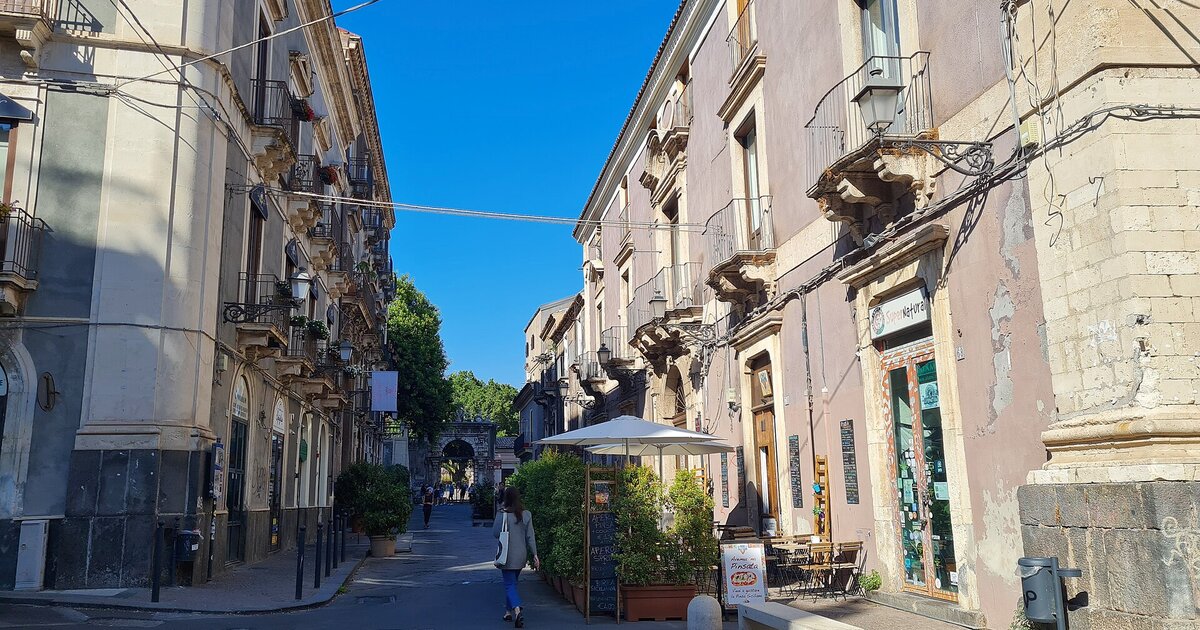
The first day you dedicate to the city, on foot, without thinking about cars or buses. The short answer is this: you can see all of Catania's old town on foot, and the real joy is getting lost among the baroque streets of black lava stone.
Start early at the Pescheria, the fish market. It opens around 7 and from 8 to 10 it's at the peak of its chaos: fishmongers shouting, stalls of tuna and swordfish, the smell of the sea everywhere. It's pure folklore, free, and I recommend grabbing a coffee right in the middle of it while you watch the show.
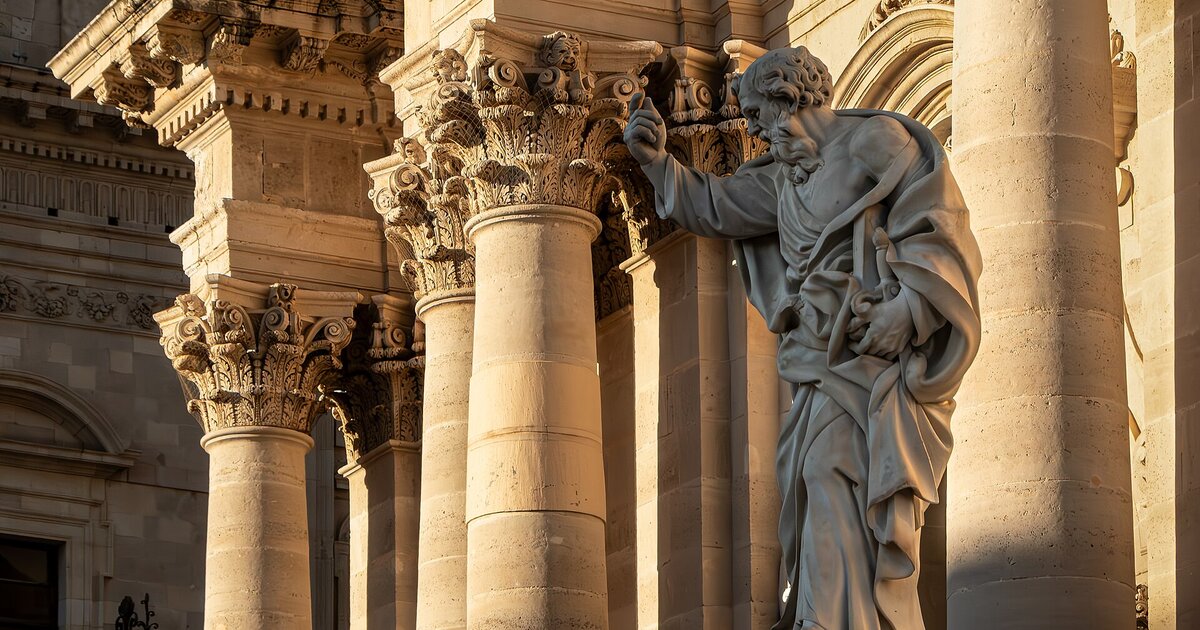
From there you come out into Piazza del Duomo, the heart of Catania. Here you'll find the Elephant Fountain (the "Liotru" in dialect), symbol of the city, and the Cathedral of Sant'Agata, where the composer Vincenzo Bellini is buried. Entry to the cathedral is free, just mind your clothing (shoulders covered).
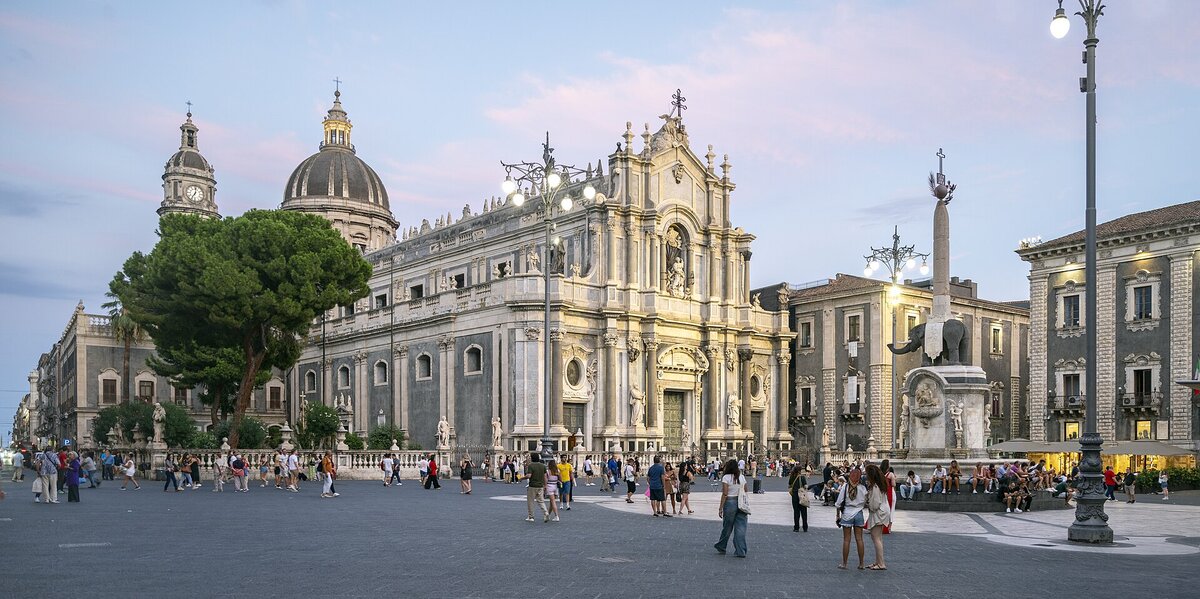
After the square, head towards Via dei Crociferi, in my opinion the most beautiful street in the city: a concentration of baroque churches one after another, declared a UNESCO heritage site. It's short but spectacular, perfect for photos. Then go back to Via Etnea, the main avenue stretching almost three kilometres: shops, historic cafes, and if you turn around you can see Etna at the end of the street. Stop at one of the historic pastry shops for your first almond granita with brioche.
In the afternoon, finish up with Castello Ursino, a 13th-century fortress that today houses the civic museum. The ticket costs 6 euros and it's worth it even just for the building. For dinner, a good pizza or a plate of pasta alla Norma nearby, and you're all set.

Fabio's tip
A local trick: Via Etnea changes its face depending on the time of day. In the morning it's full of people shopping, but if you come back around sunset and walk north, Etna turns pink and orange behind the buildings. Keep your phone ready, it's one of those photos that drive everyone back home crazy.
Day 2: Etna, the volcano
Second day, you go up the volcano. Basically: Etna is the reason half the people come to Catania, and it's only right to dedicate a whole day to it without squeezing anything else in.
If you don't have a car, there's the AST bus that leaves from Via Etnea (in front of the central station) around 8:15 in the morning. It costs a few euros round trip and takes you to Rifugio Sapienza in about two hours. From there you're already at 1,900 metres of altitude.
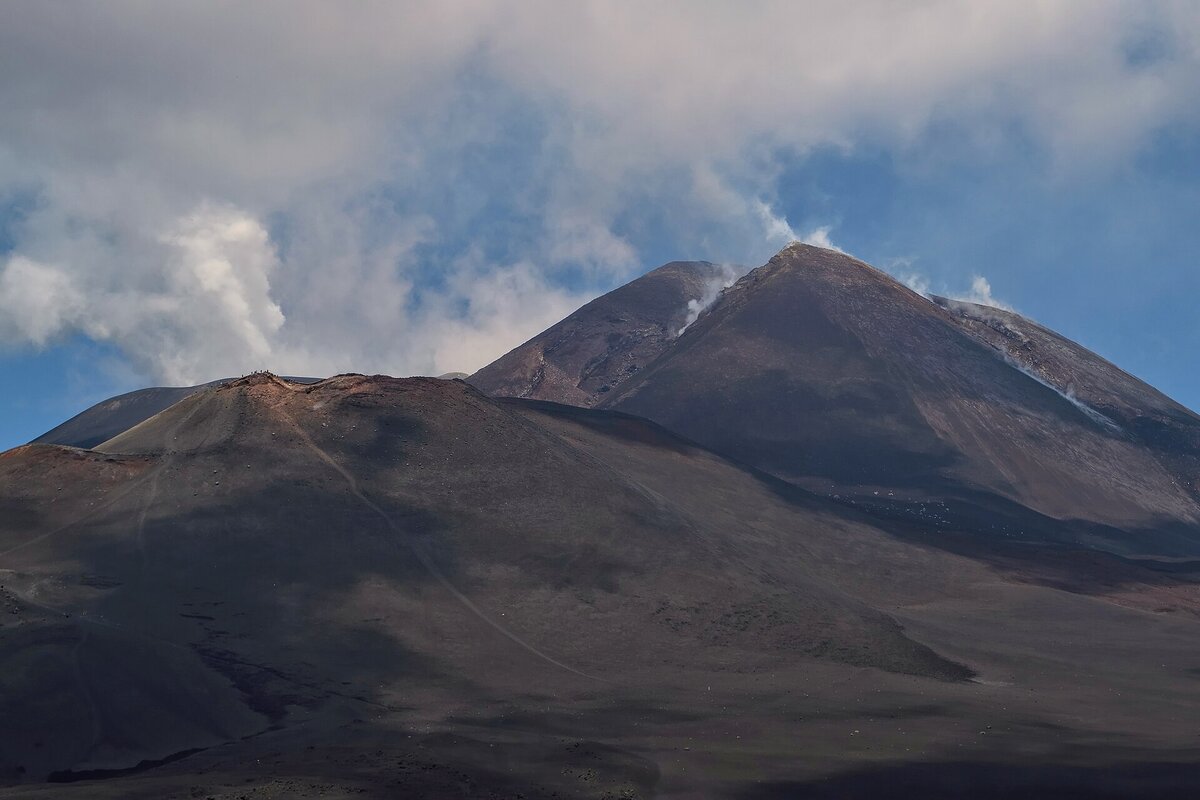
Once you reach the top you have two options. The first, free of charge: the Silvestri Craters, extinct craters you can walk around on the black sand. It takes about an hour and a half and it's already an amazing experience. The second, if you want to go higher, is to take the cable car plus the 4x4 bus with a guide up to about 2,900 metres: it costs quite a lot (around 65-75 euros), but it brings you close to the summit craters.
In the afternoon, on the way down, I recommend a stop at an Etna winery. The wines of Etna, made on volcanic soil, are among the best in Sicily. Many wineries on the slopes offer tastings with a view of the volcano: a relaxing stop before heading back into the city.
Fabio's tip
A few practical tips that save the day: always bring a jacket, even in July. In the city it's 32 degrees, at 1,900 metres the wind freezes you. Wear closed, sturdy shoes, because the lava sand gets in everywhere and cuts. And bring at least a litre and a half of water each, up there the refill points are few and expensive. Sunscreen is a must: at altitude the sun hits twice as hard.
Day 3: trip to Taormina
Third day, you change the scenery and go to Taormina. The question is worth asking: is it worth it? The short answer is this: yes, absolutely, even if it's touristy it remains one of the most beautiful places in Sicily.
Taormina is about 50 km from Catania. Without a car, take the Interbus from Via Etnea: it takes about 45 minutes and the ticket costs around 4 euros each way. Leave early, I'll explain why in a moment.
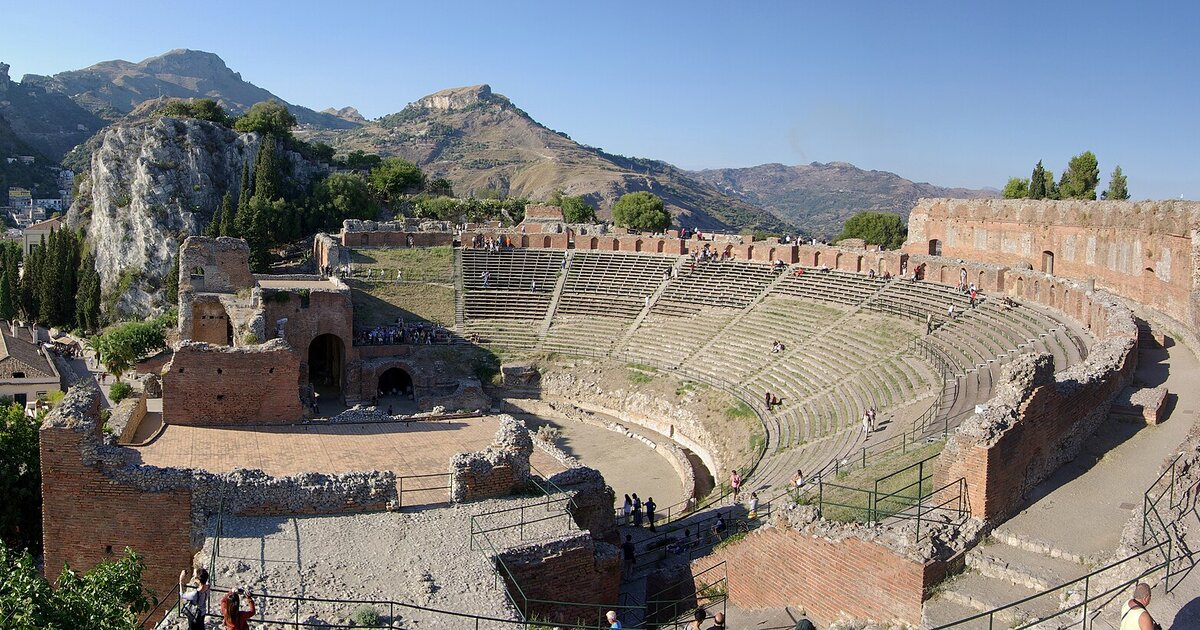
The first thing to see is the Greek Theatre, built by the Greeks and expanded by the Romans. The view from up there is a living postcard: the ancient stage, the blue sea and smoking Etna in the background, all in one glance. It opens at 9 and the ticket costs about 10 euros. Go right when it opens, before the tour buses arrive.
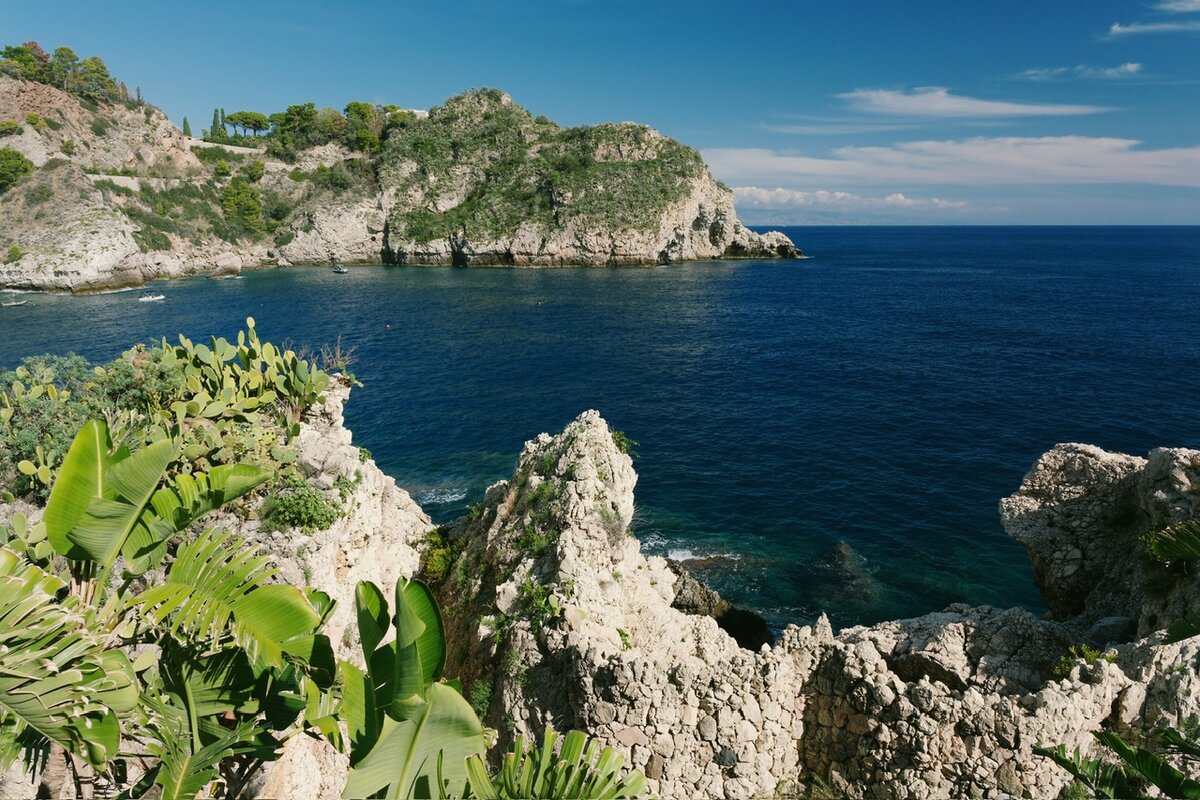
After the theatre, stroll along Corso Umberto, the main pedestrian street full of shops, Sicilian ceramics and ice cream parlours. Stop for a gelato or a granita in one of the little squares with a view. In the early afternoon head down towards Isola Bella, a small nature reserve connected to the mainland by a strip of sand. From the centre you can get there in about 10 minutes on foot downhill (or by cable car if you don't want to walk). The water is crystal clear and the spot is one of the most photographed in Sicily.
Back to Catania in the evening, with the last buses generally leaving until around 8 pm. Always check the updated timetables before you set off.
Fabio's tip
Listen to me carefully on this one: in high season (July and August) Taormina is packed, really packed. Corso Umberto at midday turns into a river of people. The secret is to play with the timing: arrive by 9:30 in the morning, when it's still quiet, or move there in the late afternoon after 5:00 pm, when the groups leave and the light turns magical. Leave the middle stretch, from 11 to 4, to the crowds.
Day 4: Riviera dei Ciclopi and relaxing
The last day is lighter, made of sea and a beautiful way to wrap things up. Basically: in the morning you go to the coast just north of Catania, in the afternoon you relax, in the evening you say goodbye to the city properly.
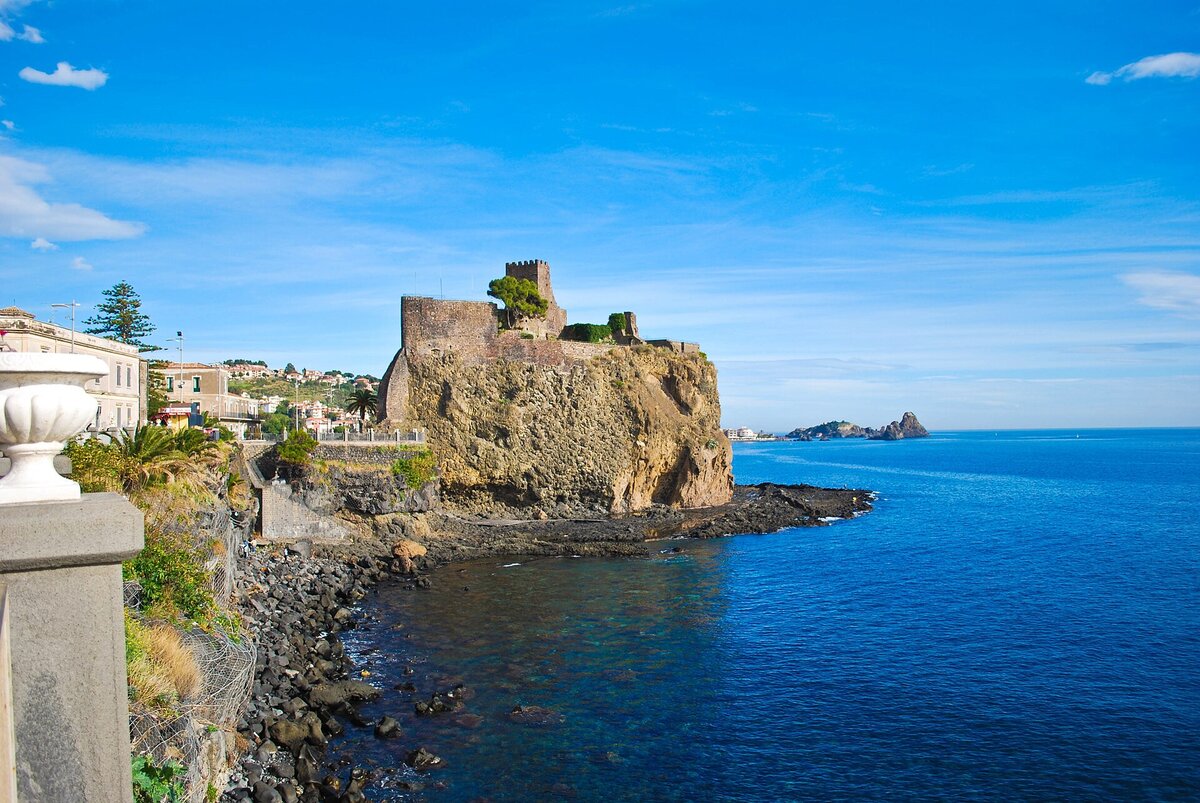
The Riviera dei Ciclopi is the stretch of coast that begins a few kilometres from the city. It starts at Aci Castello, where there's a Norman castle built directly on a black lava rock overlooking the sea. You reach it by AMTS bus in about twenty minutes from the centre. Entry to the castle costs a few euros and the view from the top is remarkable.
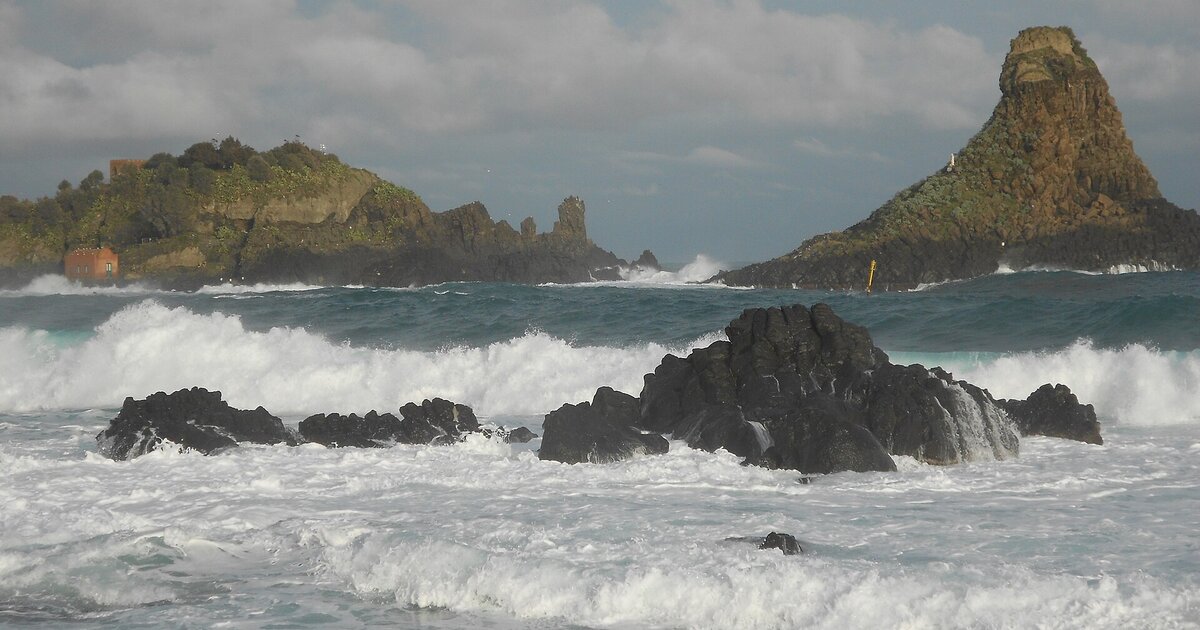
From there continue on to Aci Trezza, the fishing village made famous by Verga's novel "I Malavoglia". In front of the village are the Faraglioni, the black rocks that, according to legend, Polyphemus hurled at Ulysses. A perfect spot for a walk along the seafront and a fish-based lunch.
Dedicate the afternoon to the sea. Here the beaches are often made of rocks and lava gravel, with beautiful water. If you prefer sand, head south to the Plaia of Catania. For more ideas I've written a guide just about the beaches near Catania, where you'll find both the rocky ones and the sandy ones.
In the evening, head back to the centre for one last round: an aperitif in the square, a walk along the lit-up Via Etnea and, as a grand finale, one last granita. Almond and coffee, half and half, with brioche: the best way to say goodbye to Catania.
Where to stay in Catania
Straight question: where's the best place to stay for this itinerary? The short answer is this: in the old town, always.
Having an apartment in the centre as your base changes everything. Let's look at the concrete advantages:
- Everything on foot: on the first and last day you don't spend a euro on transport, you step out the door and you're already in the heart of the city.
- Handy buses: the buses for Etna and Taormina leave from Via Etnea, so from the centre you get there in ten minutes on foot.
- Your own kitchen: you come back from your trips, make yourself a coffee or a quick dinner with products from the market, without having to go out.
- Evening life: Catania's nightlife is all in the centre, and getting back home after dinner is just a short walk.
The Lavika Loft is exactly this: an apartment in the old town, a stone's throw from Piazza del Duomo and Via Etnea, designed as a comfortable base for full days like these. If the dates work for you, take a look at the availability of the Lavika Loft and let's organise your stay.
Frequently asked questions
Is Taormina worth it or is it just for tourists?
It's absolutely worth it. Yes, it's touristy and in high season it's crowded, but the Greek Theatre with its view of Etna and the sea, Corso Umberto and Isola Bella remain among the most beautiful places in Sicily. The trick is to go early in the morning (by 9:30) or in the late afternoon (after 5:00 pm), avoiding the middle of the day when the tour buses arrive.
How do you get from Catania to Taormina without a car?
The easiest way is the Interbus that leaves from Via Etnea, near the central station. It takes about 45 minutes and the ticket costs around 4 euros each way. Alternatively there's the train to Taormina-Giardini, but the station is down low near the sea and then you have to go up to the centre by cable car or a local bus, so the bus stays more convenient.
Can you also visit Syracuse in 4 days?
Technically yes, but at the expense of something else. If Syracuse and Ortigia really interest you, they deserve a whole day to themselves, so you'd have to drop the sea on the last day or the trip to Taormina. With four days my advice is to stick to the base itinerary (Catania, Etna, Taormina, the coast) and keep Syracuse for another time or if you have a fifth day.
What are the average restaurant prices in Catania?
Catania is still affordable. In a trattoria in the centre you'll spend on average 25-35 euros per person for a full meal with fish, house wine and dessert. A pizza with a drink costs around 12-15 euros. Street food costs very little: an arancino is about 2.50-3 euros and a granita with brioche around 3-4 euros. Eating well here doesn't ruin your budget.
Is Catania good in autumn too?
Autumn is one of the best seasons, in my opinion. From September to November the intense heat passes, but the sea stays warm well into October and you can still swim. The city is less crowded, prices drop and going up Etna is even more pleasant with cool temperatures. It's also the grape harvest period, so the Etna wineries are at their best.