Catania, eastern Sicily: if you've chosen this city as the base for your trip, you've nailed it. Catania is the natural hub for the whole area, the spot you set off from for Etna, for Taormina, for Syracuse and for the beaches. Getting here is easy, whatever way you choose to travel.
In this article you'll find everything you need to know to reach Catania and then get around stress-free: by plane, by train, by car, and how to move about once you've arrived. I'm telling you this as a host, with concrete numbers and a few tips you usually only discover after your first mistake.
Arriving by plane: Catania Fontanarossa airport (CTA)
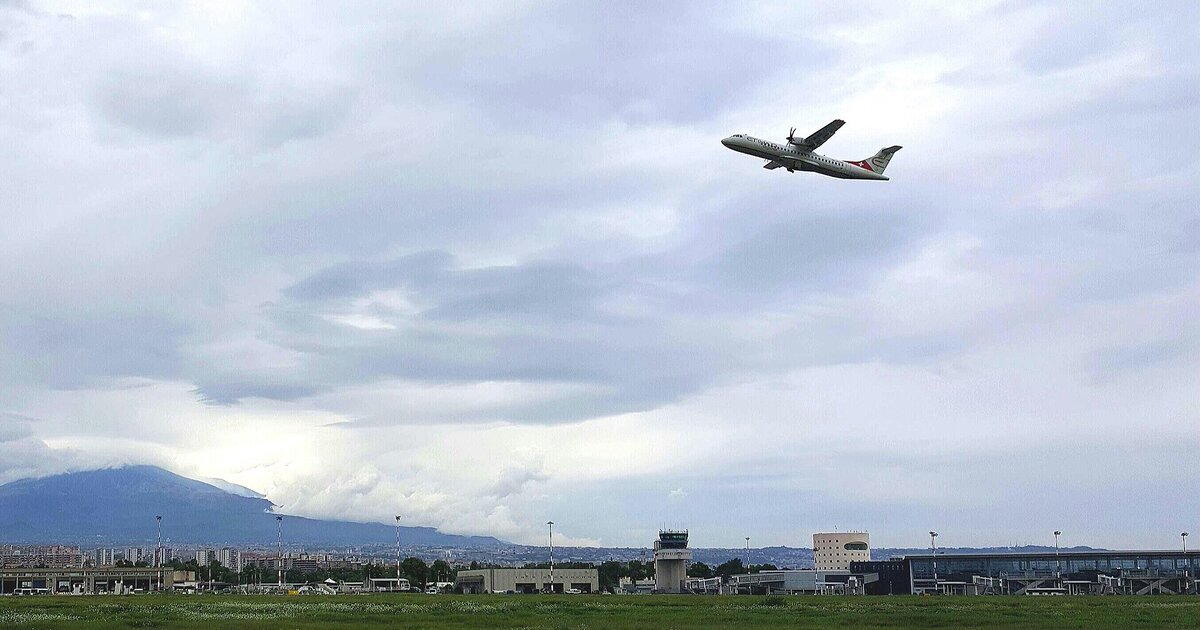
The short answer is this: Catania Fontanarossa airport (code CTA) is the main hub in Southern Italy and it sits about 7 km from the centre, so you're in the city within minutes.
It's one of the busiest airports in Italy, with flights from all over Europe, especially in summer. Once you land you have several options for getting to the centre:
- Alibus shuttle (line 457): it connects the airport, the centre and Stazione Centrale in roughly 20-25 minutes. The ticket costs around 4 euro and you can buy it on board, at the machines or in the tobacco shops. It's the cheapest option and it leaves every 20-25 minutes.
- Taxi: the airport-to-centre ride costs around 20-25 euro. Handy if you have heavy luggage or arrive late at night.
- Private transfers: if you're travelling as a group or want a fixed price with no worries, booking a private transfer in advance is often worth it compared to a taxi.

Fabio's tip
From the airport the Alibus drops you a stone's throw from the centre for 4 euro. When lots of flights land at the same time, it saves you the taxi queue, which can sometimes be really long. I take it myself when I'm coming back from a trip.
Arriving by train
The short answer is this: the train is an excellent choice if you're moving around within Sicily, because Catania's Stazione Centrale is close to the port and the historic centre.
The main rail connections are:
- From Messina: a frequent and convenient route, in just over an hour and a half. It's the gateway if you're coming from the mainland.
- From Syracuse: about an hour by train, a perfect day trip.
- From Palermo: the Palermo-Catania connection takes about 3 hours. To cross the island coast to coast it's a relaxing choice, though the car is sometimes quicker.
The advantage of the station is its location: from the forecourt you can walk to the port area and the fish market in a few minutes, and with the Alibus or a short stretch of metro you reach the heart of the city.
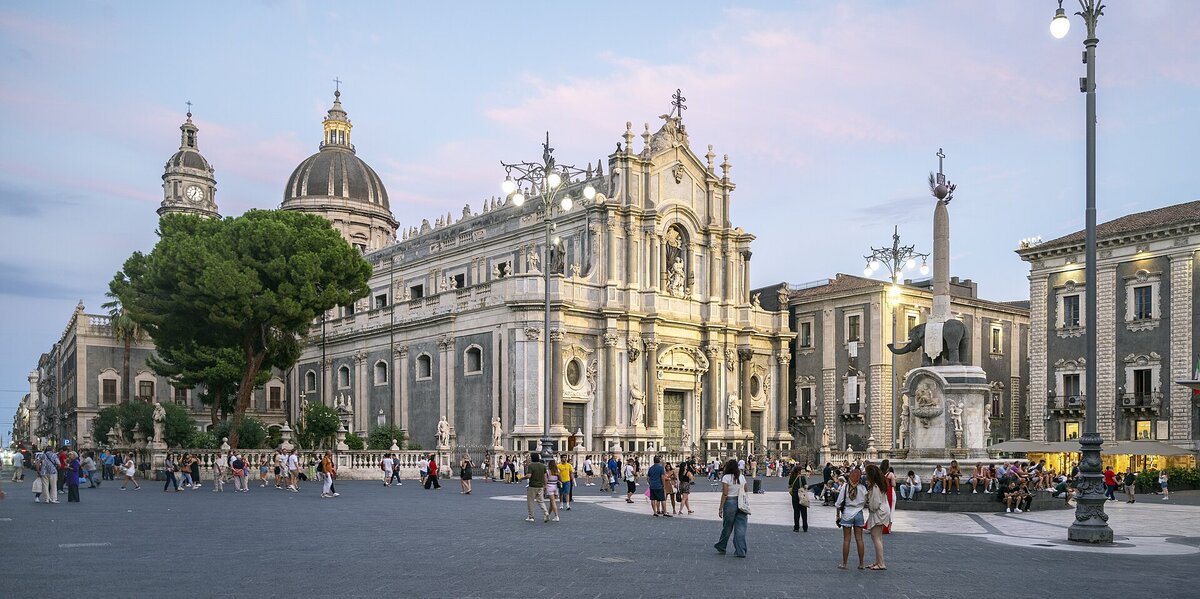
Arriving by car: motorways and parking
The short answer is this: arriving by car is simple thanks to the motorways, but in the centre the car is more of a problem than a convenience.
Catania is well connected by two motorways:
- A18 Messina-Catania: you take this if you're coming from the north-east, from Messina and Taormina.
- A19 Palermo-Catania: the connection from the west, from Palermo and the inland areas.
The tricky part comes when you enter the city. Catania has a ZTL (limited traffic zone) active during certain time slots in the historic centre: watch the signs so you don't get fined. For parking you have three routes: the paid blue lines along the streets (usually around 1 euro an hour), the attended day car parks, or leaving the car just outside the centre.
If you're staying in the centre, you often don't need the car at all. Everything you care about is within walking distance, and for day trips you can always rent a vehicle just for the days you need it.
Fabio's tip
If you're staying in the centre, leave the car in an attended car park and get around on foot. Catania's traffic and one-way streets test the patience even of those of us who live here, and hunting for a parking spot near home is a little odyssey.
How to get around Catania: metro, bus, on foot
The short answer is this: the historic centre can all be covered on foot, and for the rest there are a metro and buses that are more than enough.
Here are the options you have available:
- FCE metro: Catania has a metro line, run by the Ferrovia Circumetnea. It connects the station and some parts of the city, and it's handy for longer trips or for reaching the point where the trains towards Etna depart.
- AMT buses: the urban network covers the neighbourhoods and the more outlying areas. Useful if you're staying outside the centre or if you want to reach the seafront and the city beaches.
- On foot: it's the real way to experience Catania. The historic centre is compact and everything worth seeing is within a stroll.
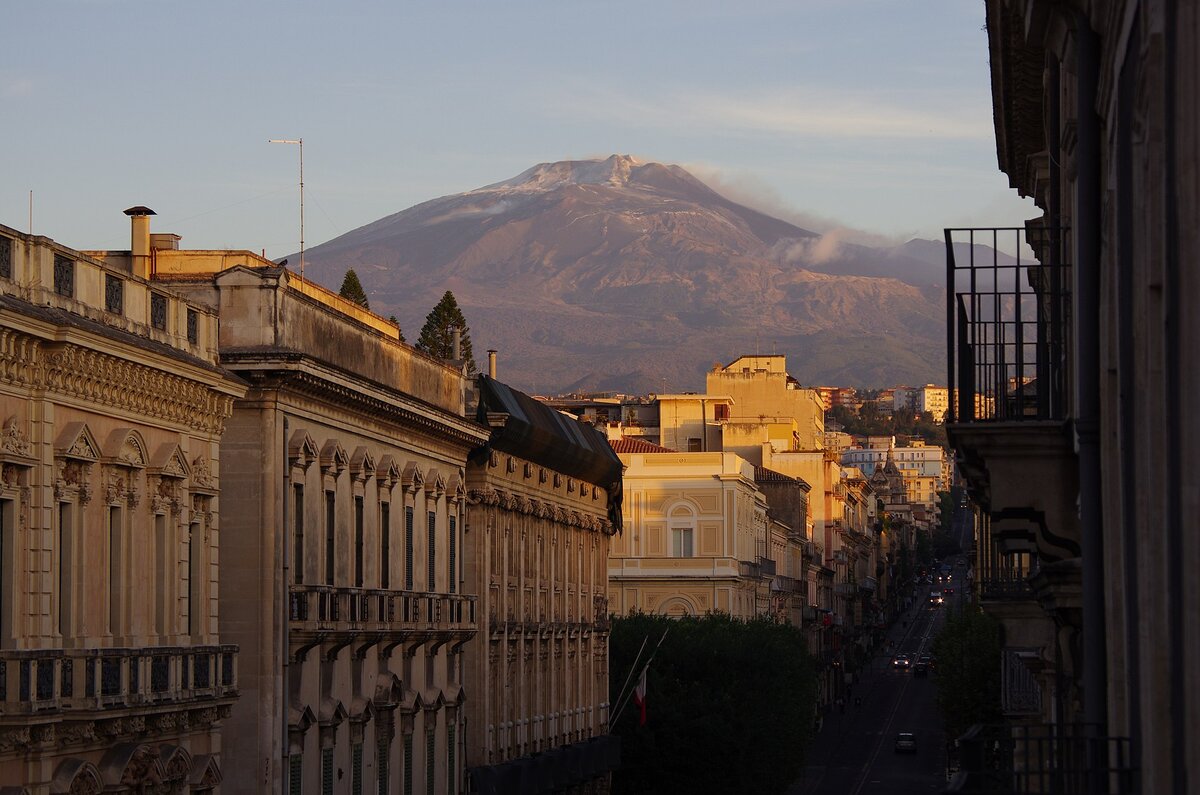
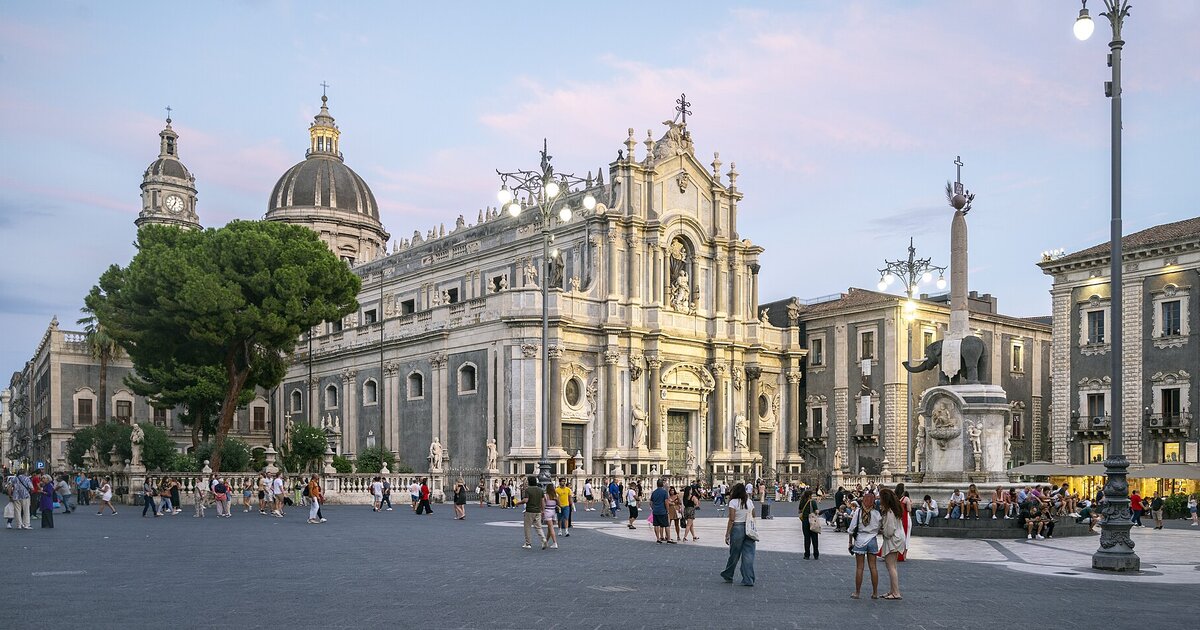
Via Etnea is the city's main axis: it starts from Piazza del Duomo and climbs straight up north, with Etna in the background on clear days. Along this street and in the side lanes you'll find shops, historic cafés and the Baroque monuments. If your base is well positioned, you'll realise that comfortable shoes are the only means of transport you really need. Speaking of a base, take a look at my guide on where to stay in Catania to pick the right area.
How far Catania is from the other destinations (Taormina, Syracuse, Etna)
The short answer is this: Catania is right in the middle of everything, and its most famous destinations are always less than an hour's journey away.
Here are the approximate distances and times by car:
- Taormina: about 50 km, around 45 minutes. The jewel of the north-east, reachable by train too.
- Syracuse: about 60 km, around 1 hour. Ortigia and the archaeological park are worth a whole day.
- Etna (Rifugio Sapienza): about 1 hour driving uphill. The starting point for excursions on the volcano.
With these numbers you can see why Catania works so well as a base camp: you plan your trips in the morning and by evening you're back in the city for an aperitivo. If you want some ideas on how to organise your time, read what to do in Catania in 2 days. And if you're after the sea, I've put together a dedicated guide to the beaches near Catania.
Once you've decided when to leave, check the loft's availability and you're all set: think about the trip, I'll take care of the rest.