Catania, Sicily: six days are just the right amount of time for a proper tour of the eastern side of the island without rushing around like a madman. I live here, I've been hosting people for years in my loft in the old town, and let me tell you one thing straight away: the secret isn't changing hotels every night. The secret is choosing one base and setting out from there every morning.
Catania is that perfect base. Train station, airport, buses for Etna, trains to Syracuse and the Val di Noto: you've got everything within easy reach. You drop your luggage in the room on day one, leave it there, and every morning you head off light towards a different destination. In the evening you come back, take a shower, go and eat an arancino and enjoy the city. No repacking, no constant check-ins. In this article I'll tell you how I'd spend these six days myself, stop by stop.
Day 1: Catania old town
Keep the first day in the city, so you settle in and get your bearings. No dawn alarm, this is the easy day.
Start from Piazza Duomo, the city's living room, with its little lava-stone elephant that we call 'u Liotru. It's the symbol of Catania and the point everything radiates out from. A stone's throw away is the Pescheria, the fish market, a riot of voices, stalls and colours that you absolutely have to see early in the morning, let's say before 10, when it's in full swing.
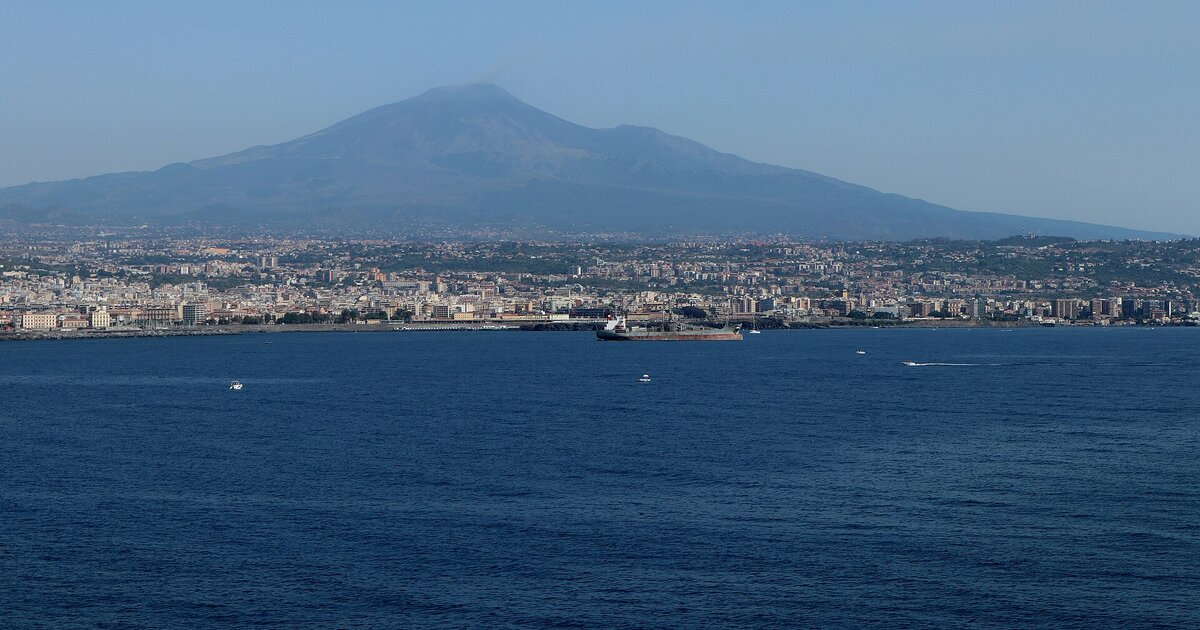
From there you head up Via Etnea, the main avenue almost three kilometres long, with Etna watching you in the background. Shops, cafes, baroque palaces. Stop for a coffee and a granita with brioche, it's the local breakfast, trust me. In the afternoon go to the Monastery of the Benedictines, one of the largest monastic complexes in Europe, today home to the university. The guided tour ticket costs around 8 euros and is worth every cent.
Day 2: Etna
Second day, you go up the volcano. It's the mother of them all, you can't come here and not see it up close.
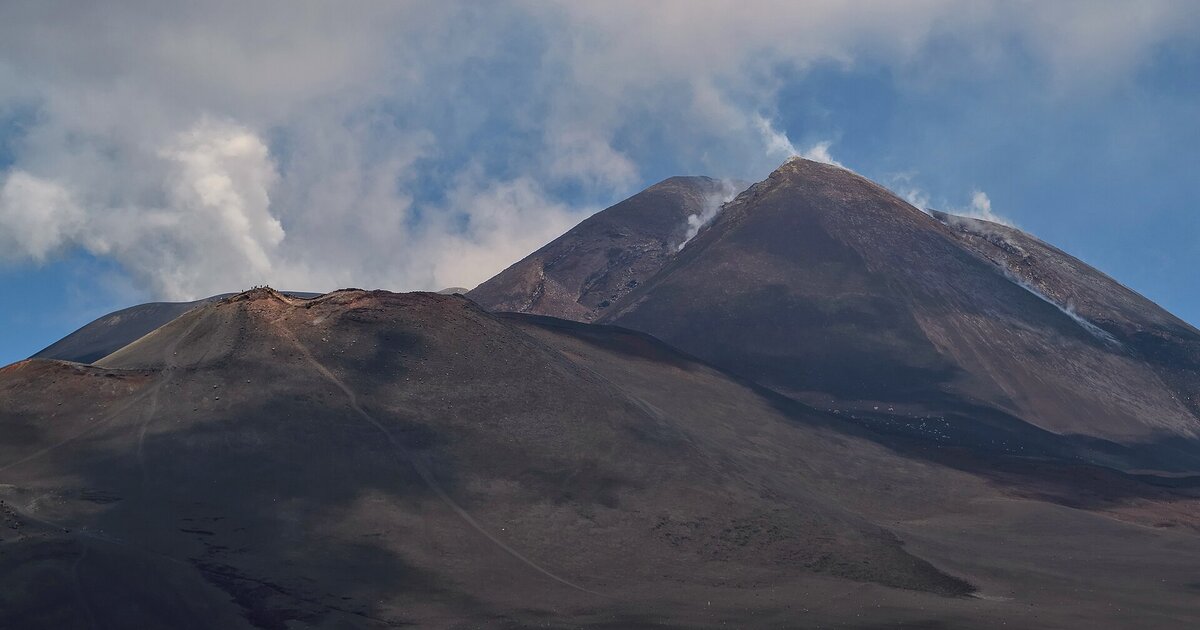
There's a very handy bus that leaves from Via Etnea, in front of the central station, around 8:15 in the morning. In about two hours it takes you to Rifugio Sapienza, at an altitude of 1,900 metres. From there you reach the Silvestri Craters on foot, extinct craters you can comfortably walk around on the black sand. The view is from another planet.
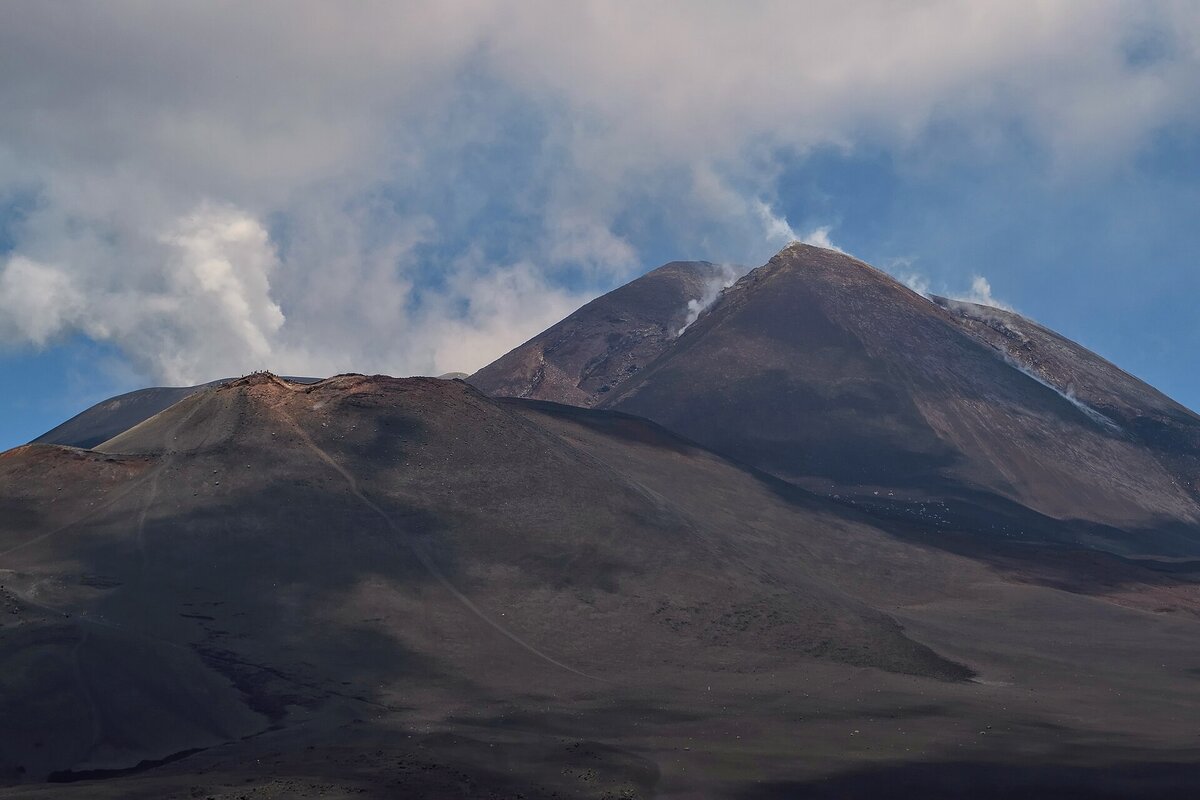
Bring a jacket even in summer, up there it's windy and the temperature drops quite a bit. If you want to go higher, towards 2,900 metres, there's the cable car and the 4x4 minibuses, but that's an extra expense. For a first time the Silvestri Craters are more than enough. If instead the volcano grabs you and you want a more complete experience with a guide, I've written it all up in the dedicated guide to the Etna excursion from Catania.
Day 3: Taormina and the Alcantara Gorges
Third day, a postcard double bill. Taormina in the morning, a basalt canyon in the afternoon. Two places close together but completely different.
Set off early towards Taormina, the tourist pearl of the coast. The highlight is the Greek Theatre, built by the Greeks and later reworked by the Romans, with Etna and the sea in the background: admission costs around 10 euros. Take a stroll along Corso Umberto, look out from the viewpoints and grab another coffee with a view.
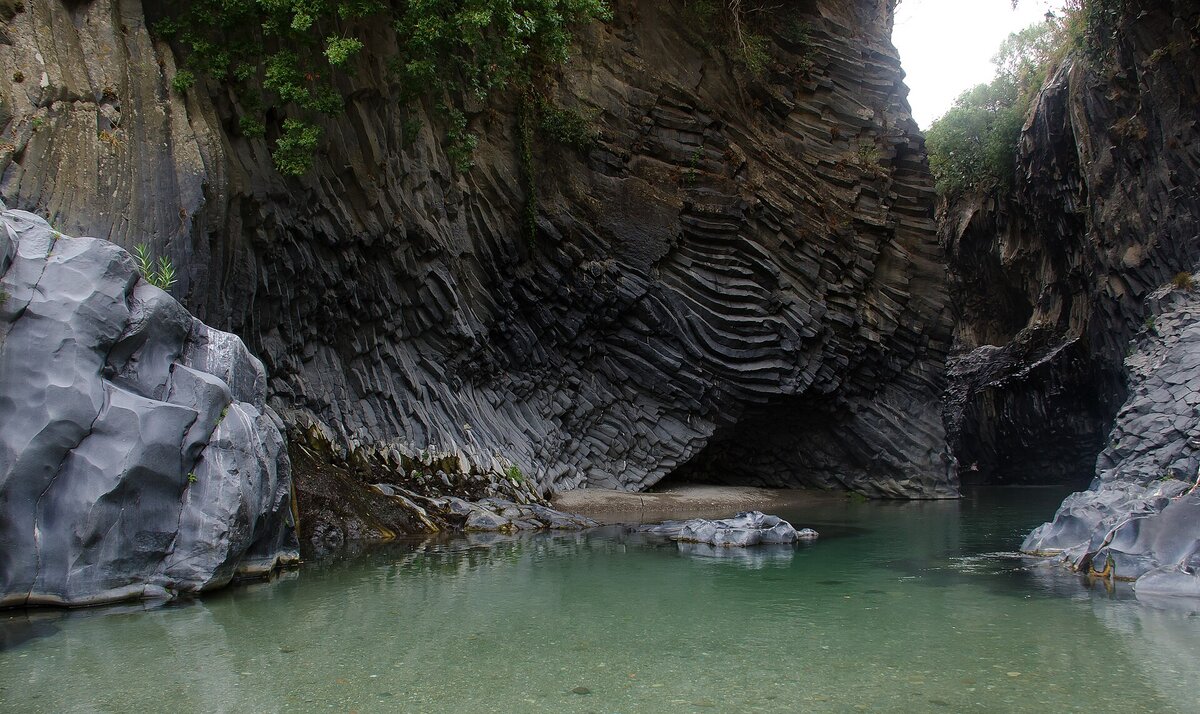
In the afternoon shift your aim to the Alcantara Gorges, about 30 minutes from Taormina by car. It's a natural canyon carved by the river into the lava rock, with towering basalt walls and icy water at the bottom. Access to the park area costs around 3 euros. In summer people swim among the rocks (fair warning, the water is freezing even in August), while in winter you don't go in but the basalt walls are spectacular all the same and the place is much quieter.

Fabio's tip
A local tip on the gorges: in summer from 11 onwards they fill up with coaches and groups, and you lose all the magic. Get there before 9 in the morning or in the late afternoon, after 5pm. You'll have the water and the rocks almost all to yourself, and the light is nicer for photos too.
Day 4: Syracuse and Ortigia
Fourth day heading south, to Syracuse, one of the most important cities of the ancient world. It's about 60 km from Catania and you get there very easily by train in just over an hour, with a ticket of around 7 euros. No parking to hunt for, no stress.
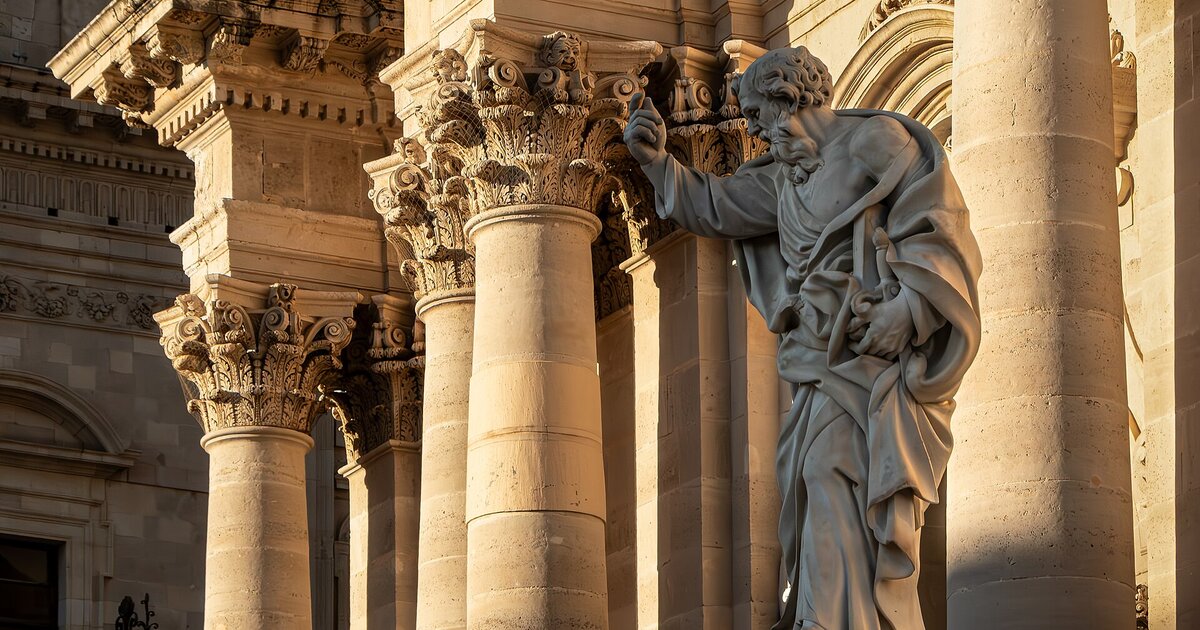
The heart of it is Ortigia, the little island that holds the old town, connected to the mainland by a bridge. You lose yourself in the alleys, reach Piazza Duomo (the Duomo is built inside an ancient Greek temple, an incredible thing) and then reach the Fonte Aretusa, a freshwater spring a stone's throw from the sea, complete with papyrus plants. It looks like a made-up place.
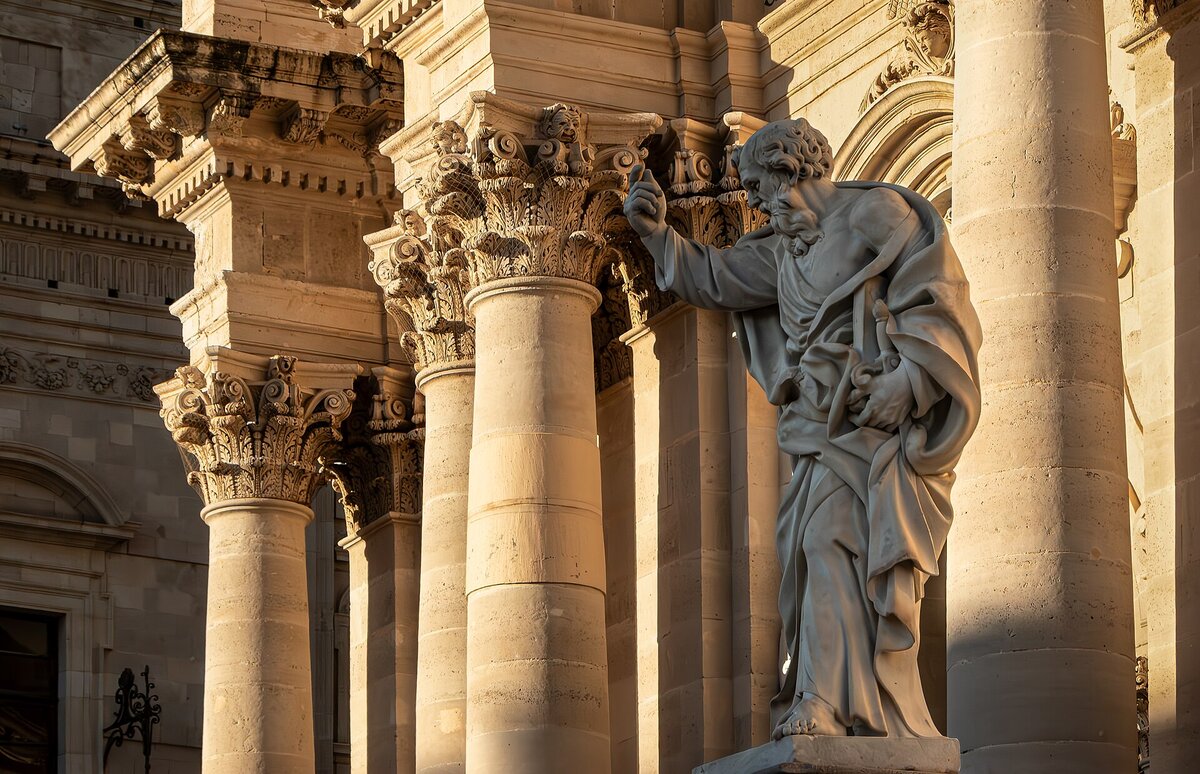
In the afternoon, if you still have energy, go to the Neapolis Archaeological Park, where you'll find another splendid Greek Theatre and the Ear of Dionysius, a cave with incredible acoustics. Between antiquity and the sea, it's a day that fills your eyes.
Day 5: Val di Noto (Noto, Modica, Ragusa Ibla)
Fifth day, the most intense: the baroque triangle of the Val di Noto, a World Heritage site. These are three cities rebuilt in baroque style after the 1693 earthquake, and they're a spectacle of golden stone. This is the day when a rental car helps a lot to connect them properly.
Start from Noto in the morning, reachable by train from Catania in about an hour and twenty. Corso Vittorio Emanuele is a parade of honey-coloured palaces and churches, simply perfect.
In the afternoon move on to Modica, the city split between Modica Alta and Modica Bassa, famous all over the world for its cold-worked chocolate, made without melted refined sugar, with a unique grainy texture. You absolutely have to step into Bonajuto, the historic pastry shop founded in 1880, the oldest in Sicily.
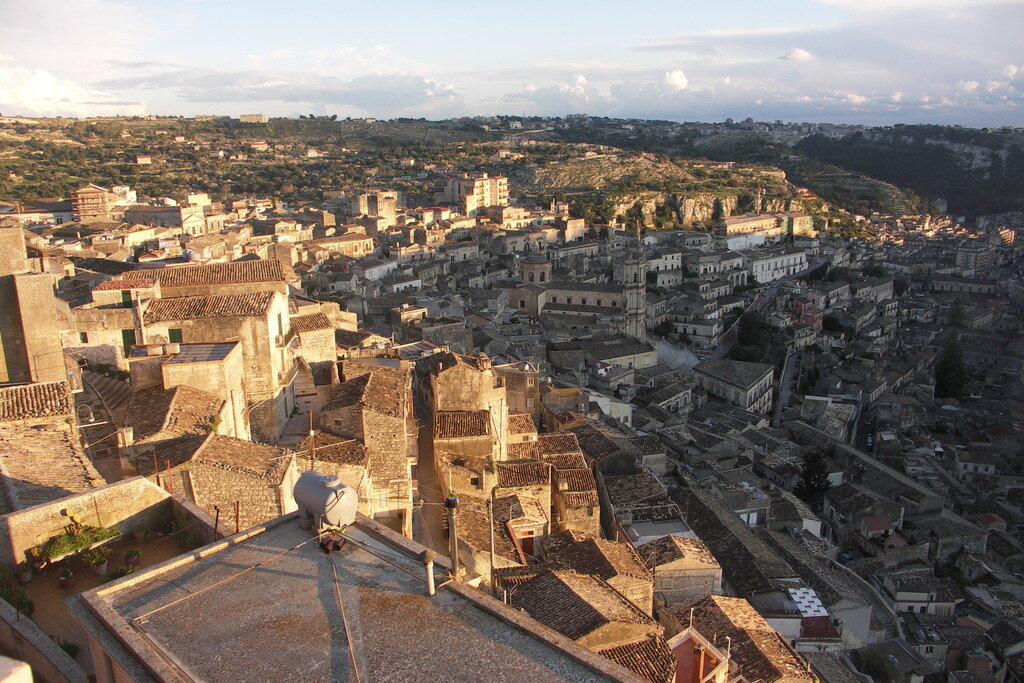
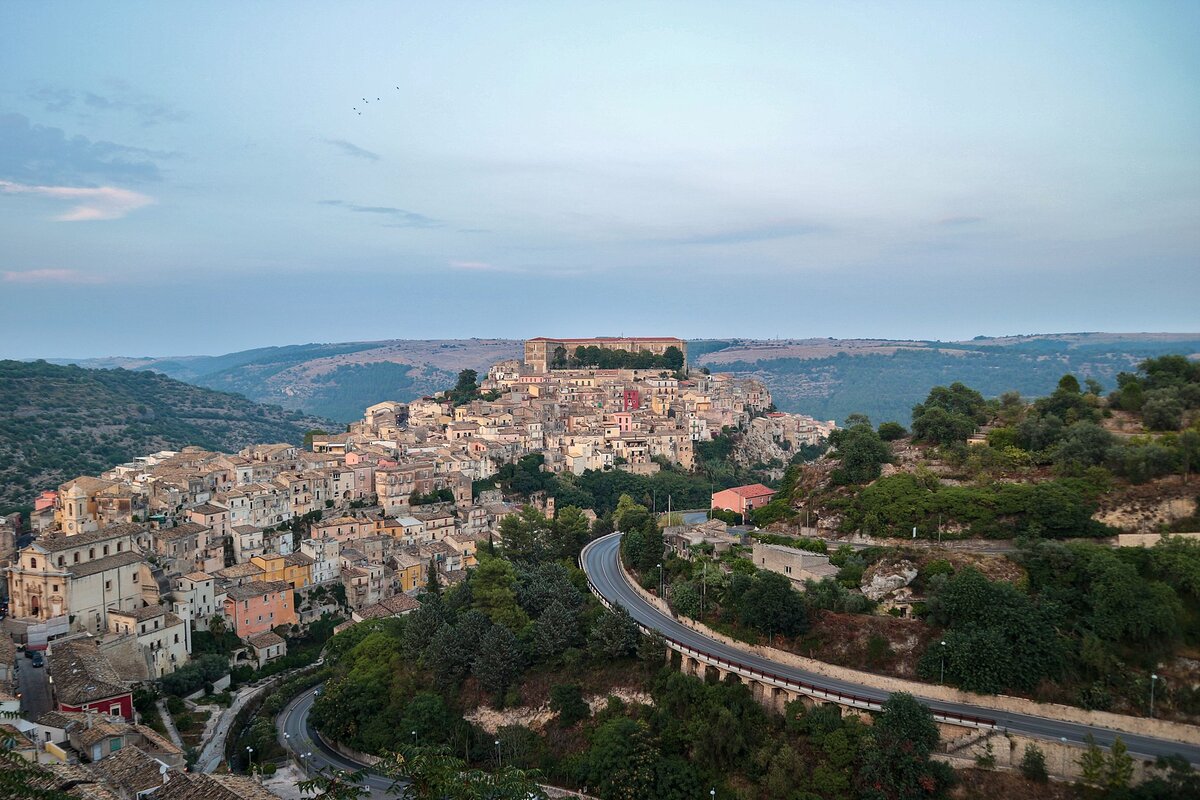
End the day in Ragusa Ibla at sunset. Looking out over the view of Ibla as the sun goes down and the houses light up with golden light is one of those moments you take home with you forever.
Fabio's tip
On cioccolato di Modica I'll warn you: it's divisive. That grainy texture, which crunches a little under your teeth, you either love it or you don't get it right away. My advice is to buy 2-3 bars of different flavours the first time, maybe cinnamon and vanilla or the classic 70% dark. That way you try it without throwing money away if it really doesn't win you over.
Day 6: beaches and relaxing
Sixth day, you switch off. After five days of walking and trains, you've earned a bit of sea and calm.
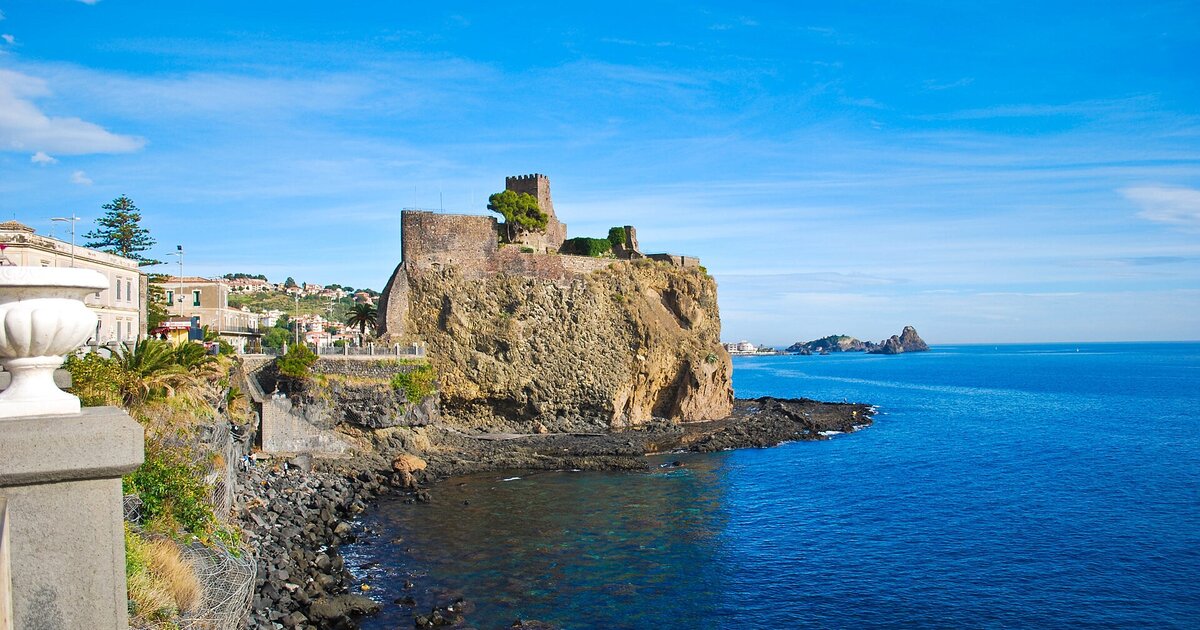
You have two options depending on your taste. If you want sand and equipped beach clubs, go to the Plaia di Catania, a very long sandy beach just a few minutes from the centre. If instead you prefer a rocky sea and fishing villages, take the north coast towards Aci Trezza (with its famous Cyclops sea stacks) or Aci Castello, with its Norman castle perched over the sea.
In the afternoon head back to the centre for some final shopping along Via Etnea, treat yourself to one last granita (almond and mulberry, if they're in season) and organise a lovely farewell dinner in a trattoria in the old town. Pasta alla Norma and a glass of Etna Rosso, and you say goodbye to Sicily the proper way.
Where to stay in Catania?
The short answer is this: sleep in Catania, in the old town, and use it as your base for all six days. Don't move around.
I'm telling you this as a host but also as someone who has seen hundreds of travellers make the same mistake: booking a different hotel every night seems clever, but it actually makes you lose precious hours on check-ins, check-outs, luggage and transfers. With Catania as your strategic base instead you have the train station for Syracuse and the Val di Noto, the bus for Etna leaving from Via Etnea, the airport ten minutes away and a thousand places to eat in the evening.
My Lavika Loft is right in the heart of the old town, a stone's throw from Piazza Duomo and the Pescheria. The space is designed exactly for this kind of trip: you arrive, drop your luggage, and every morning you set out light. If you want to see whether it's free on your dates, take a look at the loft's availability.
If instead your trip is longer or shorter, I've prepared two alternative itineraries: the more relaxed version of five days in Catania and the more complete one of seven days in Catania, if you want to add a few more stops.
Frequently asked questions
Do you really need a car to do eastern Sicily?
The short answer is this: for most of the itinerary no, but for one day it helps. Catania, Etna (with the bus from Via Etnea), Syracuse and Noto you reach perfectly well by public trains and buses, spending little and with no parking worries. The car only becomes really useful for Day 5 in the Val di Noto, to connect Noto, Modica and Ragusa Ibla properly, and to get comfortably to the Alcantara Gorges. The smart solution is to rent a car for just one or two days and use public transport for the rest.
What is cioccolato di Modica and where can you buy it?
It's a cold-worked chocolate, that is made at a low temperature that doesn't completely melt the sugar. The result is a bar with a grainy, crunchy texture and an intense flavour, made following an ancient recipe of Aztec origin that arrived in Sicily with the Spanish. The historic place to buy it is the Bonajuto pastry shop, founded in 1880, the oldest in Sicily. Try the classic flavours like cinnamon and vanilla, and maybe something more unusual like chilli.
Can you visit the Alcantara Gorges all year round?
Yes, the park is open all year, but the experience changes a lot with the seasons. In summer you can go down into the canyon and swim among the rocks, although the water stays icy all year round because of the springs. In winter and with the rains you don't go into the water for safety reasons, but the basalt walls remain a spectacular sight to photograph all the same. Access to the park area costs around 3 euros. My advice is still to go early in the morning or in the late afternoon to avoid the crowds.
Is Ragusa Ibla worth the trip?
Absolutely yes. Ragusa Ibla is the ancient old town of Ragusa, a maze of baroque alleys perched on a hill, with the spectacular cathedral of San Giorgio. The best moment to experience it is sunset, when the golden stone lights up with warm light and the view from above takes your breath away. It's one of my guests' most loved stops and it rounds off the day in the Val di Noto perfectly.
What's the average daily budget for a trip to Sicily?
It depends on your style, but to give you concrete numbers: with around 60-80 euros a day per person, excluding the room, you travel well. That figure covers public transport (a train to Syracuse is about 7 euros, the bus for Etna costs little), entrance fees (the Greek Theatre in Taormina around 10 euros, the Benedictines around 8 euros, the gorges around 3 euros) and meals, which stay affordable here: a good dinner in a trattoria costs you around 25-30 euros. Eating street food like arancini and granite saves you even more.